
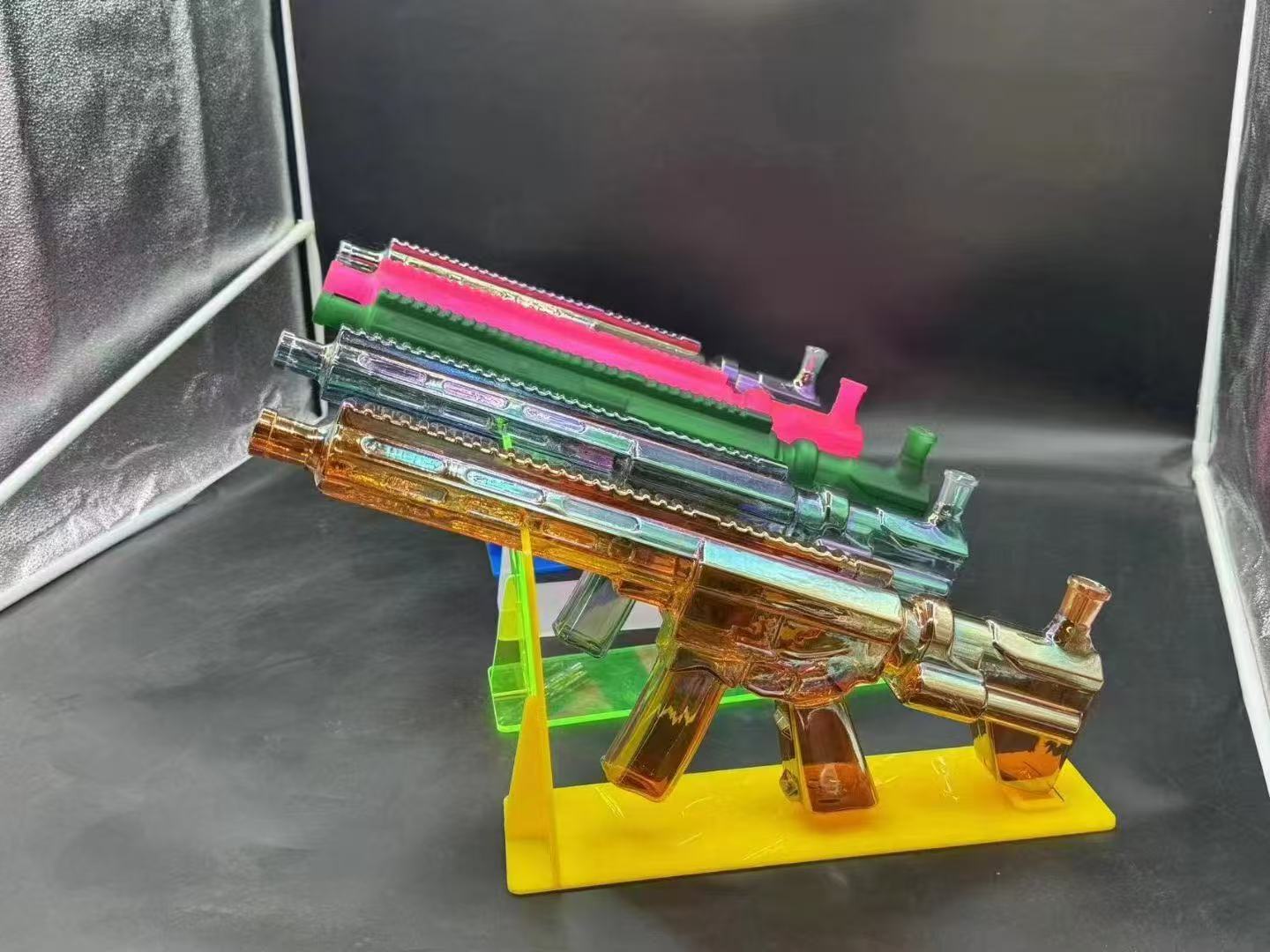
The regulated side of this category has reached a scale that demands attention. More than 24 US states now license adult-use storefronts. Canada has run a federal retail framework since October 2018. Australia’s medical program keeps adding patients every year. Thousands of licensed storefronts now buy glass products under active regulatory supervision — and every one of them buys differently from a head shop.
This guide is written from the factory side of that trade. Elfglass has manufactured glass pipes in Shenzhen since 2010 and supplies licensed retail markets in the USA, Canada, the UK, and Australia. Everything below reflects what we’ve observed supplying dispensary retail since 2010: how it differs from head shops, what buyers stock, where compliance risk hides, and how a new store should place its first order. Licensed cannabis dispensaries operate under regulated retail frameworks that dictate which product categories they may stock (cannabis dispensary reference).
What Dispensary Retail Means — and How It Differs From a Head Shop
A licensed dispensary is a retail location authorized by a state, provincial, or federal regulator to sell cannabis products and approved accessories to verified adults. The age floor is 21+ in most US states, 19+ in most Canadian provinces, and 18+ in a few jurisdictions. Staff check ID at the door. Inventory moves through a tracked supply chain. Every sale leaves a record.
A head shop is a different kind of business. It sells accessories as a general retailer, without a cannabis license, and it sells no cannabis at all. Its regulatory burden is lighter — but also less stable. One shift in local enforcement can reshape a head shop’s entire product category. In Australia, for example, head shops operate under state-level rules that differ sharply from the medical channel. Our Australian head shop market analysis breaks down that split.
The difference shows up in purchasing behavior. Dispensary buyers stock fewer SKUs and demand documentation: certifications, consistent specs, agreed packaging. Head shops accept wider variety with minimal paperwork. We would rather ship one documented dispensary order than five scattered head shop orders. Fewer disputes. Cleaner audit records. That is the commercial reality of dispensary retail.
Regulatory Rules by Market: US, Canada, Australia, UK
Dispensary retail is regulated market by market — sometimes state by state. Four markets account for most of our licensed-market orders, and each applies different rules to glass accessories.
United States: state licenses, state-level rules
More than 24 US states now license adult-use retail, but paraphernalia rules are set at the state level and do not always align. Federal law still classifies cannabis as Schedule I, which shapes banking, insurance, and interstate transport. A pipe that is shelf-legal in one state can face restrictions across a border. Our guide to state-level US retail and paraphernalia rules maps these differences. Importing adds another layer: customs treatment and federal rules deserve review before your first purchase order. See our guide to importing glass pipes into the USA.
Canada: a federal framework, provincial retail
Canada legalized adult-use cannabis under the Cannabis Act, in force October 2018. Provinces decide how retail operates — some run government stores, others license private retailers. Accessory rules, including display and promotion limits, differ by province. Our analysis of Canadian accessory demand after legalization covers what licensed stores actually order.
Australia: medical-only
Australia has no adult-use storefronts. Patients access cannabis through a prescription pathway overseen by the TGA. Accessory retail is regulated at state level, and it operates separately from the medical channel. Buyers serving Australian customers need to know exactly which channel they serve before ordering stock.
United Kingdom: medical-only
The UK has permitted medical cannabis on specialist prescription since November 2018. No licensed adult-use retail exists there. Accessory demand flows through head shops and general retail, which we track in our UK market trends 2026 report.
What we’ve observed supplying licensed markets since 2010: paperwork burden scales with license type. The more regulated the storefront, the more documentation buyers check at receiving.
Product Selection: What Glass Types Sell in Dispensaries
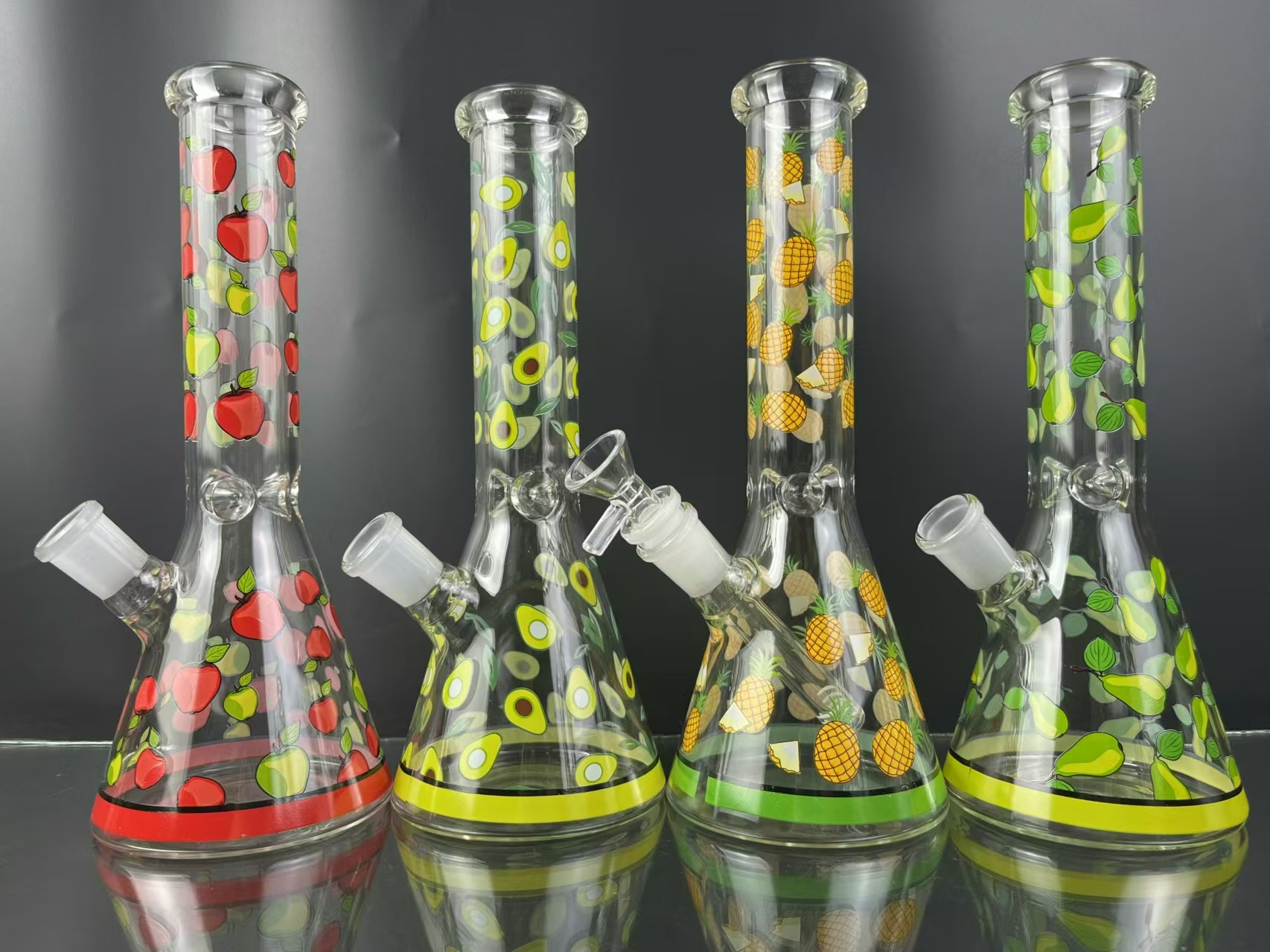
Licensed shelf space is expensive, so buyers curate hard. Across our orders supplying dispensary retail since 2010, four categories show up repeatedly. Each plays a distinct role on the shelf.
| Category | Dispensary Role | Typical Shelf Position | Buyer Priority |
|---|---|---|---|
| Bubblers / small water pipes | Volume entry point | Eye-level | Durability, price |
| Hand pipes / chillums | Impulse + first purchase | Counter / grab zone | Price, variety |
| Dab rigs | Premium, brand halo | Featured case | Glass quality, design |
| Bangers, downstems, screens | Attach rate, replenishment | Adjacent to rigs | Fit specs (14/18mm) |
Entry water pipes carry the volume. At that tier, durability beats decoration — a piece that survives a shelf drop saves the buyer a return. Hand pipes near the register convert first-time and impulse buyers. Dab rigs build brand perception: one well-lit featured rig raises the perceived quality of the entire case. Parts drive repeat visits. 14mm and 18mm joints dominate fit specs, so stock both.
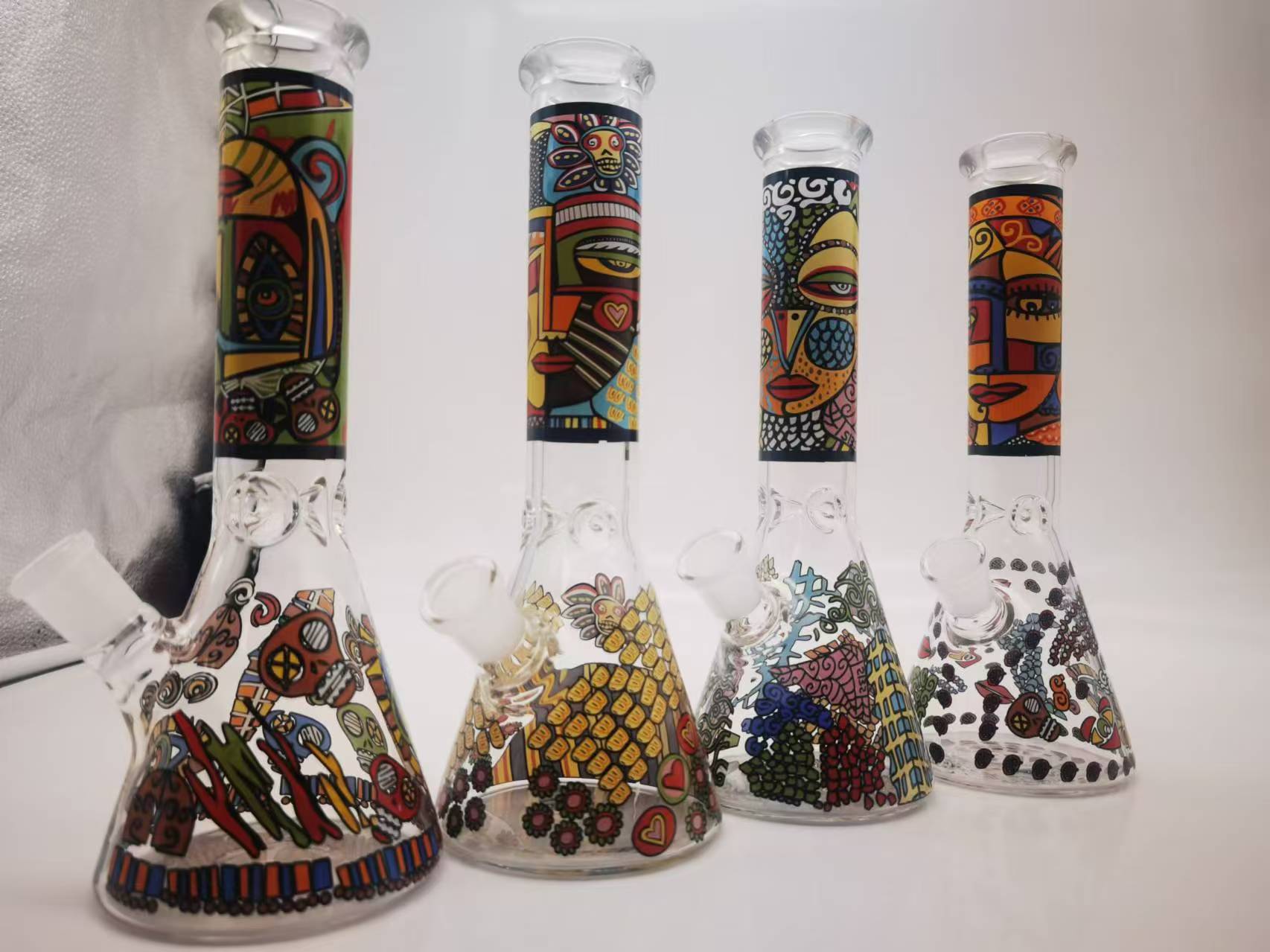
The most common stocking mistake we see: too many premium rigs, not enough replenishment parts. Rigs sell slowly. Downstems, bowls, and screens sell constantly. A dispensary that runs out of 14mm downstems sends its repeat buyers to a competitor — over a part that costs little to keep in stock.
Assortment balance also varies by market maturity. Stores in long-established US markets tend to carry deeper premium ranges, because repeat customers trade up over time. Newer markets usually skew toward entry and mid-tier pieces while their customer base forms. Copying another store’s shelf one-for-one is a mistake; match the mix to where your market sits.
Compliance Requirements: Testing, Labeling, and Packaging
The first question a dispensary buyer asks a new supplier: what certifications do you hold? At Elfglass we hold BSCI, WRAP, and ISO 9001 — third-party audits covering social compliance and quality management. These satisfy buyer due diligence. They do not replace jurisdiction-specific product rules.
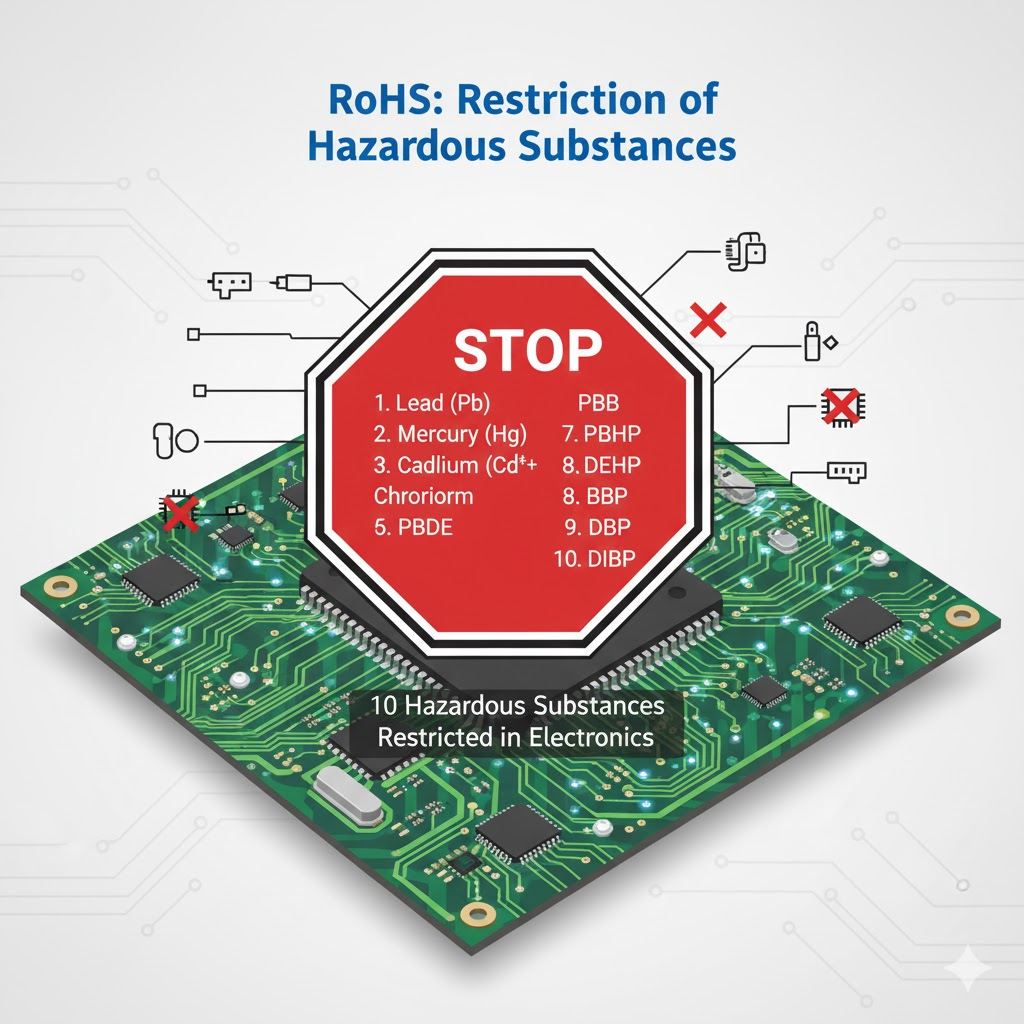
Material safety comes next. Buyers increasingly ask for documentation confirming that glass products meet applicable consumer safety standards, and the requirement differs by market. Confirm which standard applies with your regulator before listing a product. Guessing is how shipments end up quarantined at receiving.
Age marks belong on packaging and shelf labels: 21+ in most US states, 18+ or 19+ elsewhere. Most licensed markets also ban packaging that appeals to minors — no cartoon imagery, no candy-style colors. Child-resistant packaging applies to certain accessory categories in some jurisdictions. Where it applies, it is non-negotiable at receiving.
We once had a shipment held at a licensed buyer’s receiving dock because the cartons lacked the age-mark label their SOP required. The order was relabeled, landed eleven days late, and the store’s launch slipped. Cheap fix, expensive delay. Agree on label specs in writing before production begins.
Pricing Strategy for Dispensary Glass
Five cost drivers shape wholesale glass pricing: design complexity, size, decoration, packaging, and freight protection. Glass is fragile. Proper foam and carton protection costs money up front and saves damage claims on arrival.
Most licensed stores run a three-tier price ladder. Entry tier: simple hand pipes and chillums — the lowest price band, the highest turnover. Mid tier: bubblers and small water pipes — the volume center of the shelf. Premium tier: dab rigs and featured pieces — slower turns, higher margin per unit. Directionally, premium rigs earn the strongest margin per unit but move slowly, while entry pieces turn fast and squeeze margin. A balanced shelf carries both.
Price on design value and shelf scarcity, not weight. Two pieces of identical weight can carry very different perceived value. Buyers pay for what the piece communicates inside a lit display case.
One warning: never undercut your own wholesale price on a public channel. Dispensary buyers check. A supplier caught undercutting its own accounts loses trust fast — and sometimes loses the account.
Building a glass lineup for a licensed storefront?
Elfglass produces water pipes, hand pipes, dab rigs, and parts & accessories in Shenzhen — a monthly capacity of 10,000 pieces, MOQs from 100 pieces per design, certified to BSCI, WRAP, and ISO 9001.
Explore our market solutions for the USA and Canada, or contact us for a catalog and quote.
Wholesale Supply Built for Smoke-Shop Sell-Through
Elfglass helps you forecast demand, build a high-turnover catalog, and reorder on a rhythm that keeps best-sellers in stock without dead inventory. Share your shop profile and we will map a sourcing plan.
MOQ from 100 pieces | BSCI / WRAP / ISO 9001 | NDA before every project
Display and Merchandising: Security, Lighting, and Shelf Flow
Glass in licensed retail lives behind protection. Locked, staff-served cases are the standard model: the product is fragile, and several markets restrict accessory displays from minors’ sightlines or storefront windows. Check your local display rules before designing the floor.
Two security models dominate. Full counter service, where customers never touch product until purchase, is common for premium pieces. Open cases with staff nearby cover mid-tier stock. Most licensed stores mix both, and many keep their highest-value rigs in a single featured case at the point of maximum staff visibility.
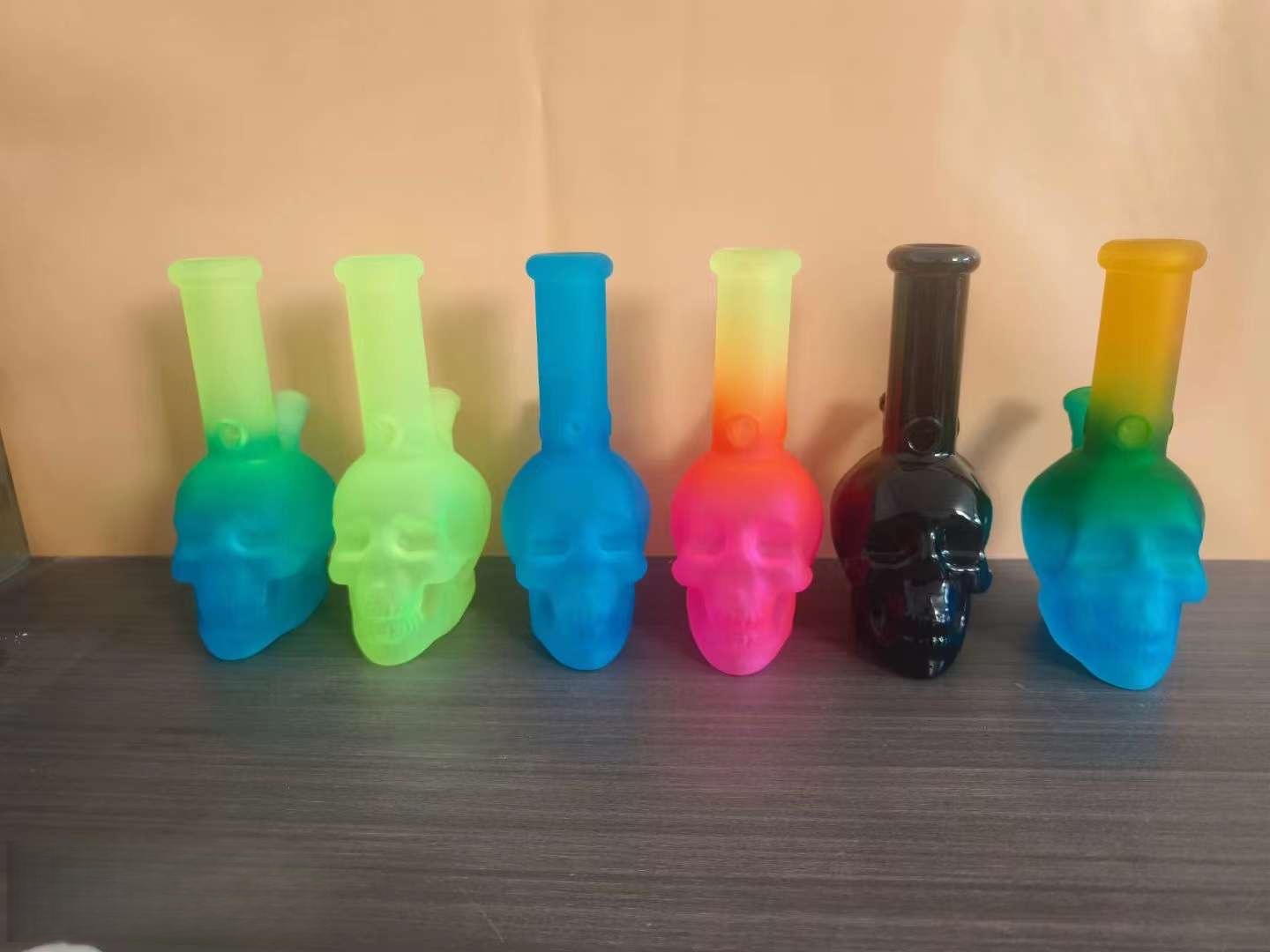
Lighting does the selling. Glass shows well under LED case lighting, and buyers tell us a featured rig in a lit case draws more customer questions than the same piece boxed on a shelf. Stage the assortment in a flow: entry wall, mid-tier case, then the premium featured case near the entrance. Place parts adjacent to rigs — downstems and screens beside a rig convert as attach sales at the point of decision.
Rotate the display on a set schedule. Glass that sits in the same case position for months gathers micro-scratches and loses its showroom finish, and a tired case quietly lowers the perceived value of everything in it. Weekly case checks also catch chips and cracks early — selling a damaged piece in a licensed store is a complaint you do not want on your record.
Building Relationships With Dispensary Buyers
Dispensary buyers screen suppliers the way regulators screen licensees. Expect questions about certifications, defect handling, lead times, MOQs, and packaging options. Vendor onboarding often includes license verification, insurance documents, and a compliance questionnaire. The process takes weeks, not days.
The workflow that wins accounts is sample-first. Buyers approve physical samples before signing a purchase order. A first order at MOQ level — ours is 100 pieces per design — proves production. Reorders then follow a cycle. Elfglass runs a monthly capacity of 10,000 pieces, so a growing account can scale without changing suppliers.
What kills supplier relationships: missed sample deadlines and vague spec answers. Buyers remember both. A supplier that misses a sample date rarely receives a first purchase order. Answer spec questions with numbers — joint size, height, weight — not adjectives.
Market Trends: Growth of Legal Markets
The direction of travel is clear. More than 24 US states now license adult-use retail, and several more debate legalization each legislative session. Canada’s framework has matured since October 2018, with provinces refining accessory rules as retail stabilizes. Australia’s medical pathway continues to expand, and the UK’s medical program has grown steadily since November 2018.
What we’ve observed supplying these markets since 2010: order profiles have shifted. Early orders mixed head-shop SKUs with loose specs. Today’s licensed buyers order documented programs — fixed specs, agreed packaging, stable reorders. Accessory assortments in licensed stores also broaden as the category matures: more parts, more design variety, all inside a compliant frame.
For a new buyer, this trend favors suppliers that treat documentation as a product feature. Compliance capability is now a selection criterion, not an afterthought.
Stocking Checklist for a New Dispensary
Opening a licensed storefront? Use this checklist before your first glass order.
- Confirm your license scope. Verify with your regulator that your license and jurisdiction permit accessory sales. Do this before requesting quotes.
- Request samples first. Approve physical samples before signing a purchase order. Photos hide weight, finish, and joint fit.
- Start at MOQ level. Elfglass MOQ is 100 pieces per design — low enough to test a spread of designs without overstocking. Our guide to negotiating MOQs at the 100-unit level explains the factory-side math.
- Put specs in writing. Joint sizes (14mm/18mm), heights, packaging, and age marks — all stated on the purchase order.
- Confirm payment terms. International wholesale usually runs on T/T. Understand what each term means for your risk before wiring funds — see our breakdown of T/T payment terms and buyer risks.
- Plan freight protection. Glass breaks in transit. Confirm foam specs, carton strength, and the breakage-claim process up front.
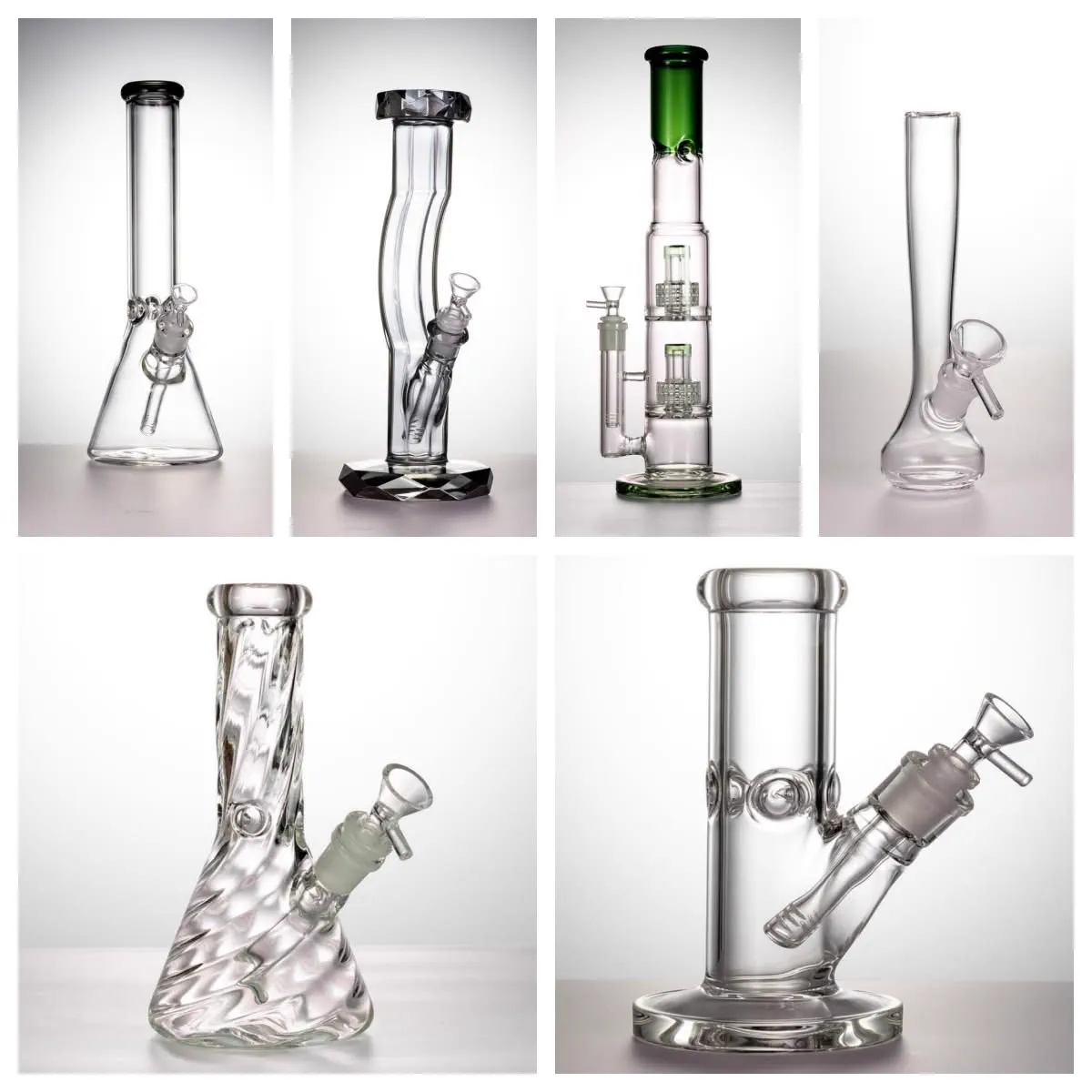
For a first order, we suggest roughly half of units in entry and mid pipes — hand pipes, chillums, bubblers — one quarter in premium rigs, and one quarter in parts and accessories across 14mm and 18mm fit specs. Adjust after 90 days of sales data, not before.
Final Word: Verify the Rules Before You Stock the Shelf
Dispensary retail rewards preparation. The stores that last treat documentation as seriously as design, because in a licensed market one regulatory misstep costs more than a broken shipment. Wrong labels. Unapproved packaging. Shipping into a jurisdiction that restricts the category. These are the real risks, and all of them are preventable.
Before your first order, confirm your license scope with your regulator or legal counsel. Re-verify before each new product line. Rules in this category change year over year — some markets tighten them, others widen them, and staying current is the buyer’s responsibility. Elfglass supplies only markets where this trade is legally permitted, and we encourage every buyer to apply the same diligence on their side of the border.
Frequently Asked Questions
What is a licensed dispensary?
A retail location authorized by a state, provincial, or federal regulator to sell cannabis products and approved accessories to verified adults — 21+ in most US states, 19+ in most Canadian provinces, 18+ in a few jurisdictions. Unlike head shops, licensed dispensaries operate inside a tracked supply chain with ID checks, security rules, and record-keeping duties.
What glass products sell best in dispensaries?
From what we’ve observed supplying licensed markets: hand pipes and small water pipes drive entry-level volume, dab rigs anchor the premium tier and brand perception, and parts like downstems, bangers, and screens drive repeat purchases. Most balanced shelves carry all three tiers, with parts stocked in both 14mm and 18mm fit specs.
Do glass pipes need compliance testing for dispensary sale?
Requirements vary by jurisdiction. Buyers routinely ask suppliers for certifications such as BSCI, WRAP, and ISO 9001, and may also require material safety documentation, age-mark labeling, or child-resistant packaging where local rules demand it. Confirm which standard applies with your regulator before listing any product.
Can I import wholesale glass for a dispensary across borders?
Usually yes, with compliance diligence. Customs classification, import documentation, and destination rules all apply, and they differ by market. Work with a licensed customs broker, verify the rules of your state or province before ordering, and keep supplier documentation on file for receiving.
What MOQ should a new dispensary expect for wholesale glass?
Many factories ask for 500–1,000 pieces per design. Manufacturers serving new stores go lower — Elfglass MOQ is 100 pieces per design, which lets a new buyer test several designs on a first order and scale reorders from there.
Legal Disclaimer: This article is provided for general informational purposes only and does not constitute legal, regulatory, or trade advice. Cannabis and accessory regulations differ by country, state, and province, and they change frequently. Consult a licensed legal professional in your jurisdiction before purchasing, importing, or reselling any product described here. Elfglass manufactures and exports glass products only for markets where such trade is lawful, and sells only to verified business buyers operating within their local 18+/21+ legal framework.
Stocking a Licensed Dispensary?
Browse our wholesale water pipe collection for compliance-safe SKUs, or talk to our factory team about your assortment plan.
About the Author
Ava Zeng is the founder of Elfglass, a Shenzhen-based borosilicate glass pipe manufacturer serving B2B brands worldwide. Every guide on this site is grounded in her production-floor experience — the annealing lines, QC checkpoints, and export orders behind each claim. Dispensary stocking requirements follow the compliance structure in cannabis retail regulations, where product testing and labeling must meet state-by-state standards.
Ready to Source Custom Glass Pipes?
Get a free quote within 24 hours. MOQ from 100 pieces. NDA-protected design consultation.
