
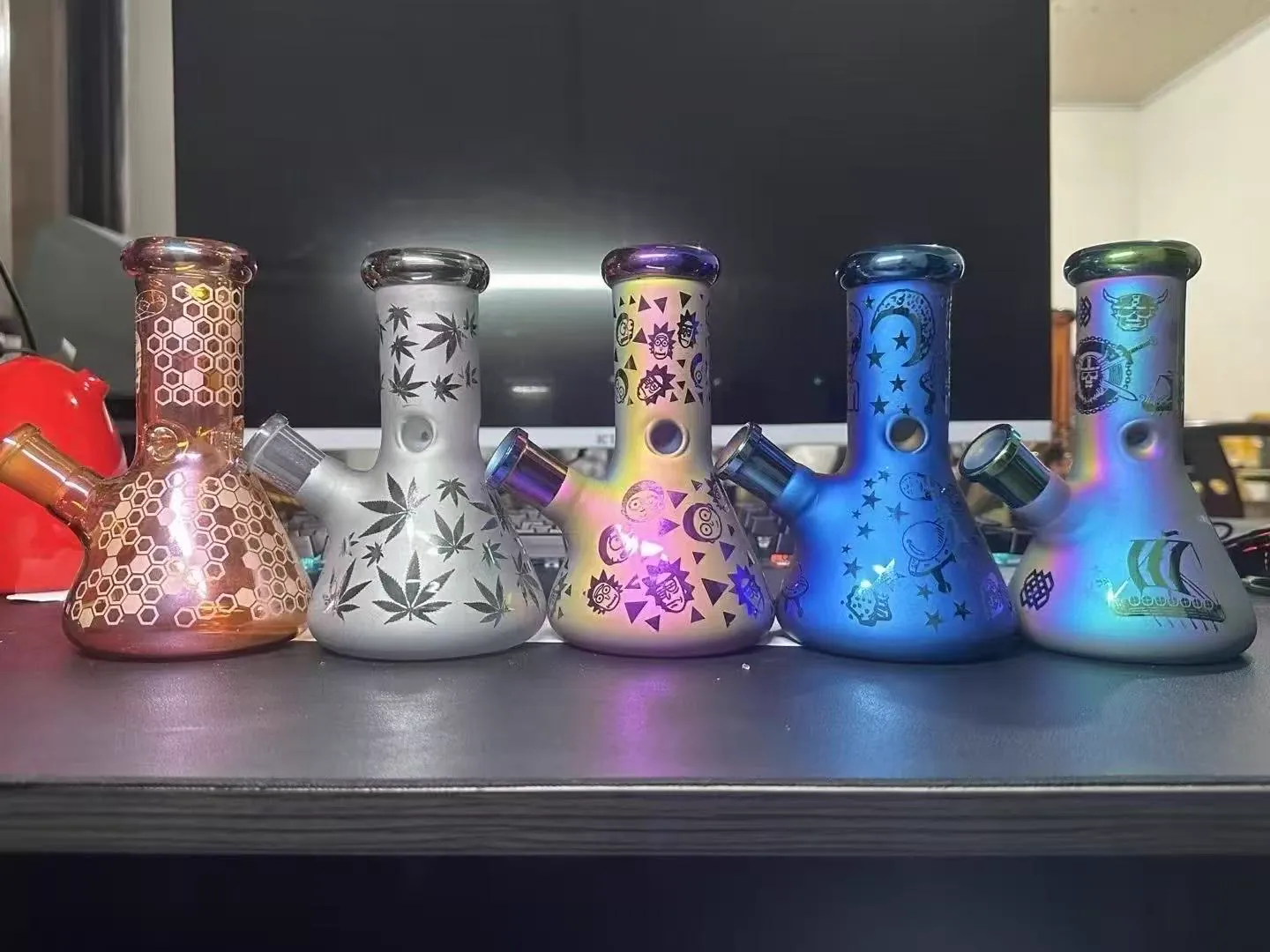
When the Canadian federal government passed the Cannabis Act in October 2018, it did more than legalize a plant. It created an entirely new retail ecosystem overnight. Smoke shops, dispensaries, and head shops that had operated in a grey zone for decades suddenly found themselves in a regulated, taxed, and rapidly expanding marketplace. For B2B buyers in the canadian terp pearls market, that shift was not just a regulatory event. It was a commercial earthquake.
Eight years after legalization, the dust has settled enough to see the market clearly. Provincial retail structures have matured. Consumer preferences have crystallized. And the supply chain questions that once felt abstract, how do you legally import glass pipes? what does Health Canada actually require? which accessories move fastest off the shelf? have become practical, answerable. This guide walks through what Canadian retailers and brand owners need to know about sourcing glass accessories in the post-legalization era, from a manufacturer who has been shipping to this market since the early days. Canada’s Cannabis Act (2018) established the federal framework governing cannabis and its accessories (Cannabis Act).
The Regulatory Shift That Opened the Door
Bill C-45, the Cannabis Act, received Royal Assent on June 21, 2017 and took full effect on October 17, 2018. Canada became the second country in the world, after Uruguay, to legalize recreational cannabis at the federal level. But the law did not simply flip a switch and hand every retail license to the highest bidder. It built a framework where federal rules set the floor and provinces built the walls.
That provincial layer matters enormously for anyone selling cannabis accessories in Canada. Ontario initially ran its retail system through the OCS (Ontario Cannabis Store) before pivoting to a private retail model. Alberta went private from the start. British Columbia, after a slow launch, opened up to hundreds of licensed private retailers. Quebec took a different path entirely, running government-controlled stores and eventually raising the legal purchase age from 18 to 21. These variations mean that a product assortment that works in Calgary might need adjustment in Montreal.
Health Canada oversees the cannabis product side, but glass accessories, pipes, water pipes, dab rigs, and related items sit in a category often referred to as “cannabis accessories” or “tobacco accessories” depending on the province. They are not regulated as cannabis products themselves. You do not need a cannabis license to sell a glass hand pipe. But you do need to understand the import rules, the labelling expectations, and the age-verification requirements that apply to the retail environment where your products will be displayed.
If you are exploring what compliance looks like for your specific province, our Canadian solutions page breaks down the regulatory structure by region and maps out which product categories need what documentation. It is a useful starting point before you place your first wholesale order.
What Canadian Retailers Are Stocking Post-Legalization
Walk into any Canadian smoke shop or licensed dispensary today and the accessory wall tells a story about how consumer habits have evolved since 2018. The legal market brought mainstream shoppers into stores that previously served only a counterculture crowd. Those new buyers had different expectations. They wanted cleaner designs, better materials, and packaging that did not look out of place next to a premium cannabis product.
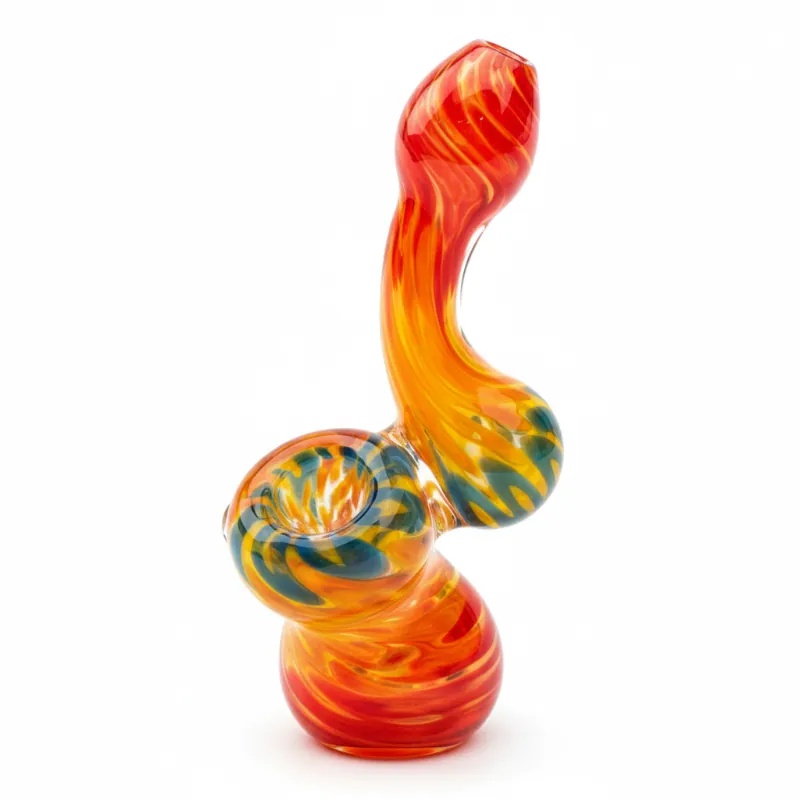
Several accessory categories have seen consistent demand growth across Canadian provinces:
Hand pipes and spoon pipes remain the entry point for most consumers. They are affordable, easy to demonstrate in-store, and simple to ship. Borosilicate glass versions have largely replaced soda-lime glass at the mid-to-premium end of the shelf, driven by consumer awareness of durability and heat resistance.
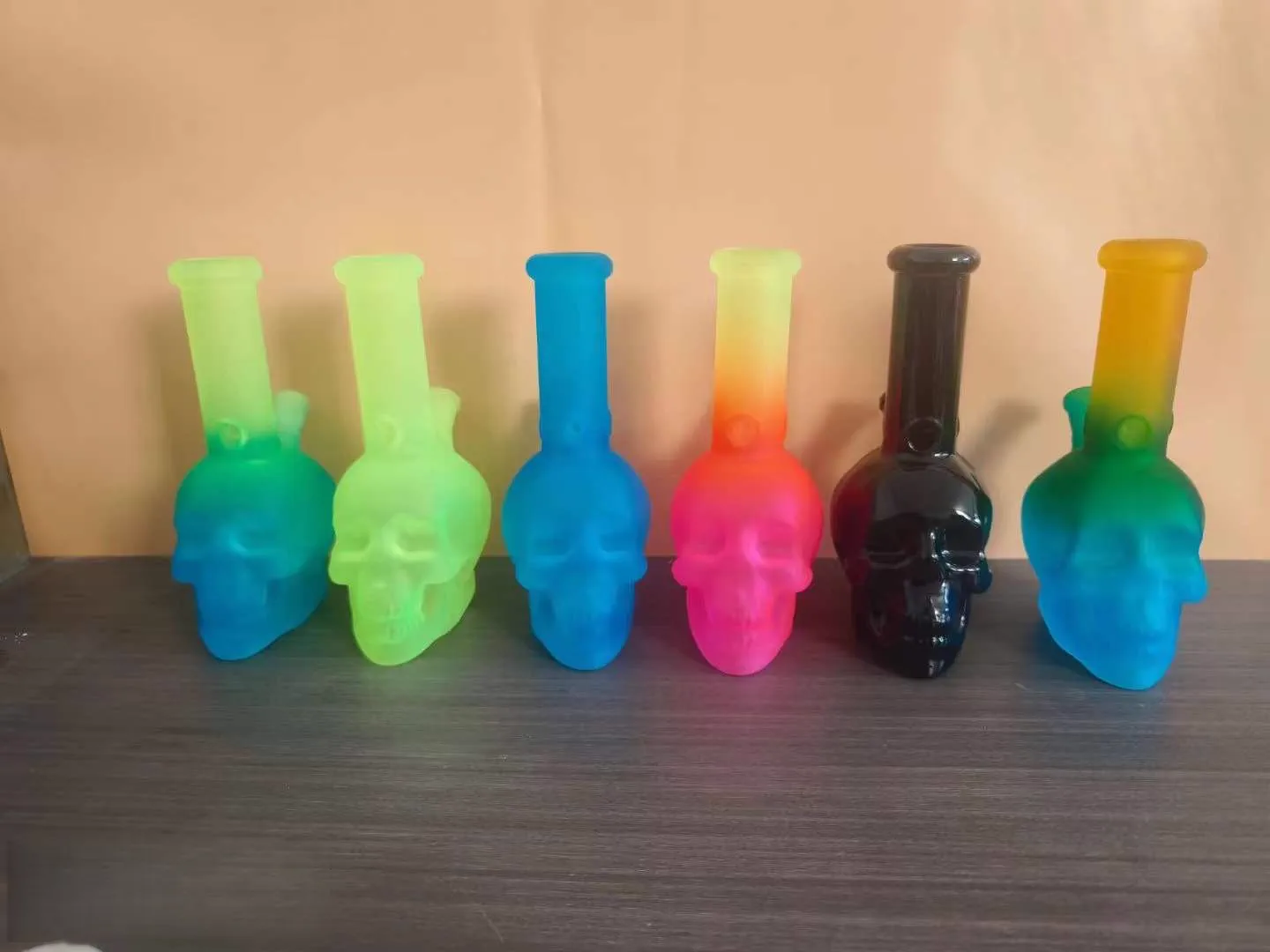
Water pipes and bongs occupy the higher price tier. Canadian consumers in provinces with mature retail systems, British Columbia, Ontario, and Alberta in particular, have shown willingness to pay more for percolator features, modular designs, and branded packaging. Beaker bongs, straight tubes, and recycler rigs each have their buyers, and a well-stocked shop will carry at least two or three styles in each.
Dab rigs have carved out a significant segment since legalization. Concentrate consumption is growing across Canada, and the accessories that support it, nectar collectors, mini rigs, carb caps, quartz bangers, have become standard shelf items rather than niche products. If your shop does not yet carry a dedicated dab section, you are leaving margin on the table.
Accessories and add-ons like grinders, cleaning solutions, replacement bowls, and silicone stash containers drive repeat visits. These are the high-turnover, lower-ticket items that keep customers coming back between larger purchases. Smart retailers stock them near the register.
The pattern is clear: Canadian consumers who started buying in a legal, regulated environment expect professional-grade products. They compare glass quality the way they compare cannabis quality. That shift has direct implications for how you source.
Importing Glass Accessories to Canada: Compliance and Logistics
Importing smoking accessories from China to Canada is entirely legal for licensed businesses. The HS code for glass smoking pipes falls under 9614, the same international classification used in most markets. You will need to work with a customs broker who understands this category, as occasional misclassifications do happen, particularly when a product sits at the boundary between “tobacco accessory” and “cannabis accessory” in the eyes of a border agent.
The practical steps are straightforward but worth getting right. You need a valid business number registered with the CRA (Canada Revenue Agency) for import purposes. Your commercial invoice must accurately describe the goods, their material composition, and their intended use. Duties under HS 9614 are generally modest for glass articles, but GST/HST applies at the border unless you have properly structured your import documentation.
Packaging and labelling deserve attention. Canada has strict bilingual labelling requirements for consumer products sold in retail. While glass accessories are not as heavily regulated as cannabis products themselves, any packaging that makes health-related claims or uses cannabis imagery may trigger additional scrutiny. Keep your packaging clean, factual, and professionally designed. It also helps your brand perception with the increasingly discerning Canadian buyer.
We have written a detailed guide specifically on importing glass pipes to Canada and the compliance steps involved. If you are new to Canadian importing, that article walks through the documentation checklist step by step.
One point that catches some buyers off guard: Canada’s regulatory approach differs meaningfully from other major markets. If you also sell into the United States, you will be dealing with the PACT Act and its implications for glass pipe shipments. The USA import guide covering PACT Act and customs covers that terrain. The UK has its own framework, detailed in our UK retailer importing guide. And if Australia is on your expansion map, the Australian compliance checklist lays out the Therapeutic Goods Administration requirements. Each market has its own logic. Canada’s is comparatively accessible, but “accessible” does not mean “skip the paperwork.”
Wholesale Supply Built for Smoke-Shop Sell-Through
Elfglass helps you forecast demand, build a high-turnover catalog, and reorder on a rhythm that keeps best-sellers in stock without dead inventory. Share your shop profile and we will map a sourcing plan.
MOQ from 100 pieces | BSCI / WRAP / ISO 9001 | NDA before every project
Choosing a Manufacturing Partner for the Canadian Market
The canadian accessory market rewards retailers who treat their supply chain as a brand asset, not just a cost line. Canadian consumers who discovered glass pipes through legal dispensaries have higher baseline expectations than the pre-legalization crowd. They notice when glass is thin, when joints are poorly fitted, when packaging looks generic. Those details trace directly back to the factory you choose.
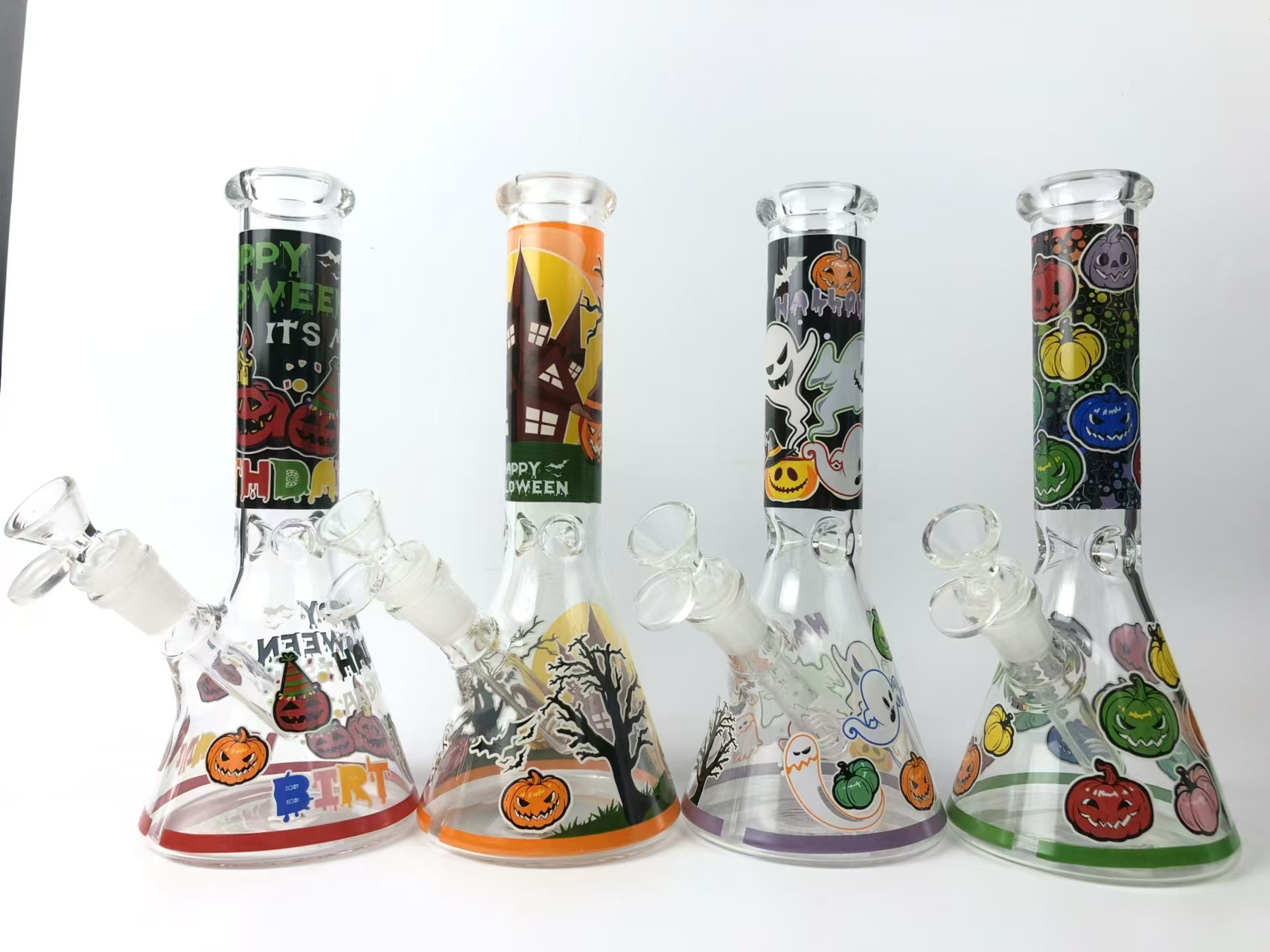
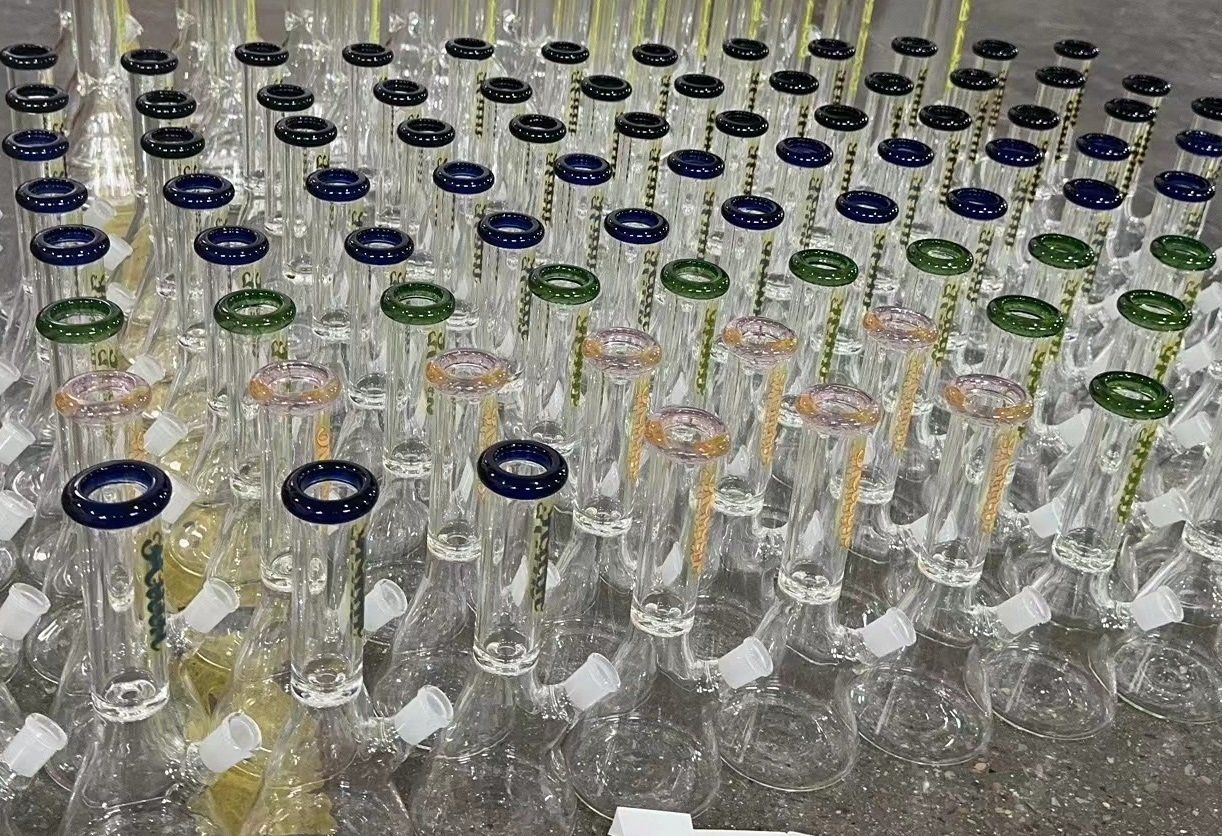
What should you look for in a manufacturing partner? Start with transparency. A factory that invites you to visit, shares its production process, and answers specific technical questions is telling you something about its confidence. At Elfglass, we operate a 1,000 square metre facility in Shenzhen with a team of 20 skilled workers. We produce roughly 10,000 pieces per month across hand pipes, water pipes, dab rigs, and accessories. That scale means we are large enough to handle consistent wholesale orders but small enough that your account never gets lost in a queue of ten thousand other buyers.
Materials matter. Borosilicate glass should be the default for any retailer targeting the mid-range and above in Canada. It withstands thermal shock, resists cracking, and communicates quality to the end consumer. Our factory works exclusively with borosilicate, and our certifications, BSCI, WRAP, and ISO 9001, mean that our quality management system has been audited by independent third parties.
Lead times are another factor that separates a workable partnership from a frustrating one. Sampling at our facility takes 1 to 3 days. Production for orders of 100 units or more runs 7 to 12 days. We require a 100-piece minimum per design or SKU, which keeps the door open for retailers who want to test multiple styles before committing to volume. Payment follows standard T/T terms: 30% deposit, 70% before shipment.
These are not exotic terms. They are the terms of a factory that respects the realities of running a retail business in a competitive market.
Building Your Canadian Accessory Brand
Legalization did not just create new retail locations. It created new brands. Across Canada, entrepreneurs who watched the cannabis market mature have realized that accessories represent a lower-regulation, higher-margin entry point than cannabis products themselves. You do not need a licensed producer designation. You do not need to source cannabis at all. You need good products, clean branding, and a reliable factory.
Private label is where most Canadian accessory brands start. The concept is simple: you choose the designs, we manufacture them to your specifications, and your brand name goes on the packaging. Our OEM and ODM capabilities mean you can customize everything from glass colour and shape to box design and insert cards. If you have a design concept, even a rough sketch, our team can translate it into a production-ready product within days.
Differentiation in the canadian smoking accessories market comes down to a few things that most buyers overlook. First, consistency. If your customers buy a hand pipe from your brand in January and another in June, they should feel like the same product. That requires a factory with stable processes, not one that changes suppliers or shortcuts annealing cycles between orders. Second, packaging. Canadian retail environments are visually competitive. Your product needs to look as considered as the cannabis brands sharing the same shelf. Third, range. A brand that offers hand pipes, water pipes, dab rigs, and accessories under one identity builds trust faster than a brand that sells a single product type.
If you are ready to explore what a manufacturing partnership looks like for your Canadian brand, reach out to our team directly. We work with shop owners, brand founders, and distributors across Canada and can walk you through options for your specific situation.
Looking Ahead: The Canadian Market Keeps Evolving
Canada’s cannabis accessory market is not a flash trend. It is a maturing retail category backed by federal legislation, provincial infrastructure, and a growing consumer base that treats glass accessories as legitimate lifestyle products. The retailers who will thrive over the next decade are the ones building real brands with real supply chains, not scrambling for whatever is cheapest on a marketplace app.
The barriers to entry are lower than you might think. The barriers to doing it well, a consistent product, proper compliance, professional branding, are where the real competitive advantage lives. That is the gap between a shop that survives legalization and one that builds something lasting.
Frequently Asked Questions
Is it legal to sell glass pipes in Canada?
Yes. Glass pipes and other smoking accessories are legal to sell in Canada. They are classified as cannabis accessories or tobacco accessories depending on the province. You do not need a cannabis license to sell glass pipes, but you must comply with general product safety rules and any provincial retail requirements. Age restrictions apply at the point of sale, matching the legal purchase age in your province.
What accessories are in highest demand after cannabis legalization in Canada?
Hand pipes, water pipes, and dab rigs have seen strong and sustained demand since legalization. Concentrate-related accessories like nectar collectors and carb caps have grown particularly fast as concentrate consumption rises. Smaller items like grinders, cleaning kits, and replacement parts drive repeat foot traffic. The overall trend is toward borosilicate glass, professional packaging, and branded products.
How do I import glass pipes from China to Canada?
You need a business number registered with the CRA, a customs broker familiar with HS code 9614 (glass smoking pipes), and accurate commercial invoices describing the goods, materials, and values. Duties on glass articles under this code are generally modest, but GST/HST applies at the border. Work with your broker to ensure proper classification and documentation. Our detailed guide on importing glass pipes to Canada covers the full process.
What is the minimum order quantity for custom glass pipes from a Chinese manufacturer?
At Elfglass, our MOQ is 100 pieces per design or SKU. This applies to both stock designs with your branding and fully custom OEM designs. Sampling takes 1 to 3 days, and production for orders at or above 100 units runs 7 to 12 days. This structure is designed to let retailers and brand founders test multiple styles without committing to large volumes upfront.
Do I need special certifications to sell glass accessories in Canada?
Glass smoking accessories themselves do not require product-specific certifications to be sold in Canada. However, working with a manufacturer that holds recognized quality and social compliance certifications, such as ISO 9001, BSCI, or WRAP, gives you assurance that the products meet international quality standards. This matters for your brand reputation and simplifies the conversation if a provincial regulator ever asks about your supply chain.
Ready to stock the Canadian market? Browse our wholesale parts and accessories range for the replacement items Canadian retailers reorder most often.
About the Author
Ava Zeng is the founder of Elfglass, a Shenzhen-based borosilicate glass pipe manufacturer serving B2B brands worldwide. Every guide on this site is grounded in her production-floor experience— the annealing lines, QC checkpoints, and export orders behind each claim.
Before you commit to a supplier, read her founder’s story and trust promise, and the guide to vetting a reliable glass pipe manufacturer— the same red-flag checklist Elfglass applies to its own suppliers.
Post-legalization accessory demand follows the market structure described in cannabis in Canada regulations, where ancillary products fill gaps left by licensed producers.
Ready to Source Custom Glass Pipes?
Get a free quote within 24 hours. MOQ from 100 pieces. NDA-protected design consultation.
