
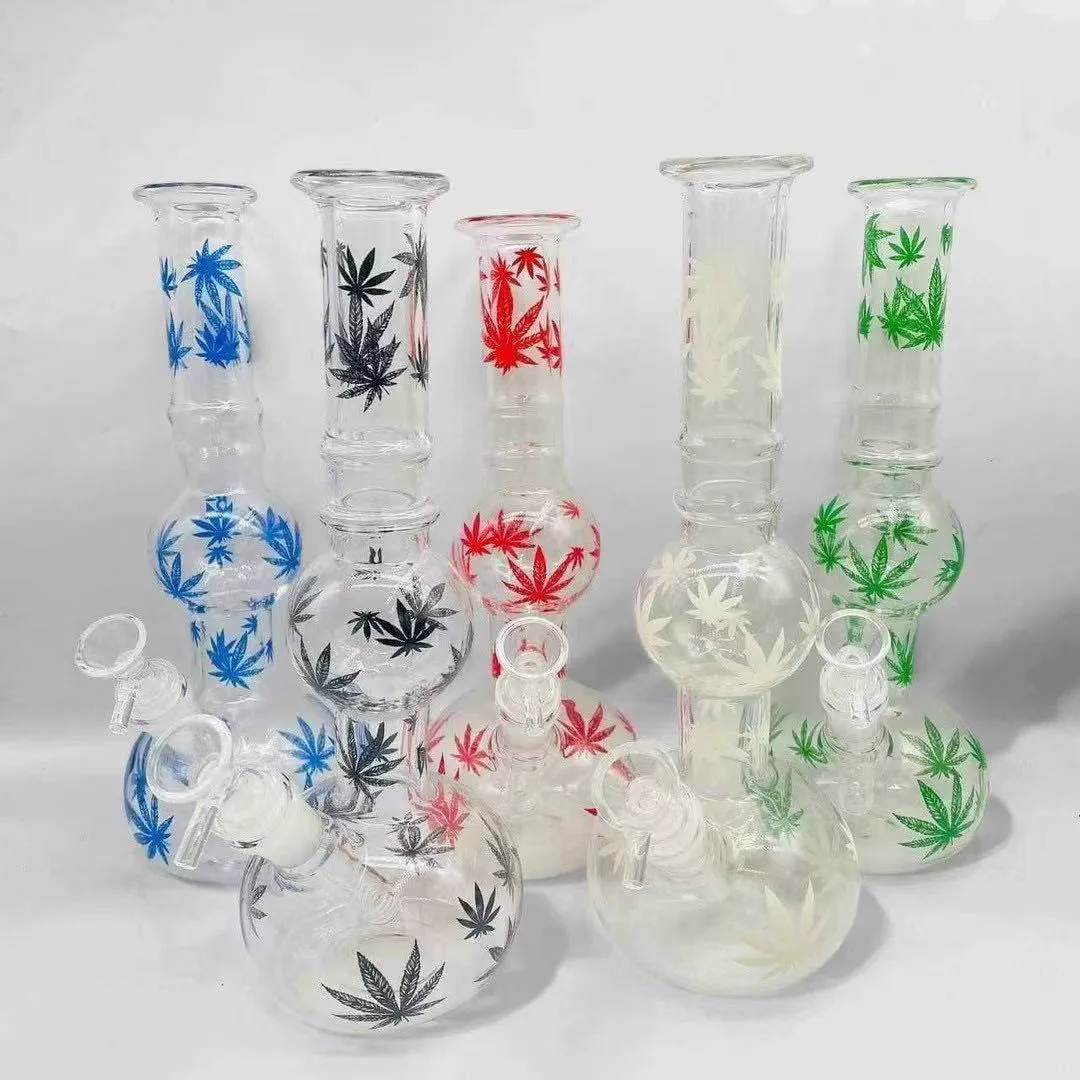
Australia pairs the strictest regulatory environment in the English-speaking world for smoking accessories with one of the category’s least professionally served retail channels. That contradiction is the defining fact of the Australian head shop market. Prepared importers tracking accessory demand across markets like Canada treat it as a moat. Everyone else treats it as a reason to stay out.
Consider two buyers. One runs an independent shop in Melbourne and wants a private-label line of borosilicate water pipes sold for tobacco use. The other is an overseas brand weighing Australian distribution alongside the US and the UK. Both face the same question: how do you build a sellable assortment where the rules change at every state border?
This guide covers the ground that hobbyist content skips: what retailers must verify, state by state, before a single carton ships. It reflects sixteen years of OEM and ODM export work at Elfglass, including regular Australian shipments from the Shenzhen factory. Treat it as a briefing from a sourcing consultant, not a sales pitch.
Legal Disclaimer
The content below is general business information, not legal advice. Australian regulations on smoking accessories differ by state and territory, and they change over time. Before importing or retailing, consult a qualified Australian lawyer and confirm current requirements with your state or territory regulator.
Key Takeaways
- Eight Australian jurisdictions set different rules. Three states have named Acts touching this category directly: the Drugs Misuse Act 1986 (Qld), the Controlled Substances Act 1984 (SA), and the Misuse of Drugs Act 1981 (WA).
- The Australian Border Force screens every inbound consignment under federal rules including the Customs (Prohibited Imports) Regulations 1956, so invoice accuracy decides how fast goods clear.
- The Australian Consumer Law applies to smoking accessories like any consumer good: claims about materials and origin must be accurate and never misleading.
- Elfglass holds BSCI, WRAP, and ISO 9001 certification and runs a 1,000 sqm Shenzhen factory with capacity of 10,000 pieces per month.
- An MOQ of 100 pieces per design lets an Australian retailer test demand without over-committing; sampling runs 1-3 days and production runs 7-12 days on orders of 100+.
- Quotes return within 12 hours, and an NDA is signed before any project starts.
Where Smoking Accessories Sell in Australia
The Australian glass pipe retail market looks small from the outside and dense from the inside. Specialist stores cluster in the inner suburbs of the four big capitals: Sydney, Melbourne, Brisbane, and Perth. Online stores then stretch that coverage to regional towns and lower-population states that support no physical shop at all. No national chain dominates the category the way large smoke-shop chains do in the United States.
Independent Specialists Set the Standard
These stores carry curated ranges rather than deep warehouses. Owners typically know their regulars by name and treat the counter as an education point, which raises the bar on product quality and packaging. A piece that disappoints one customer gets discussed in person, and that word travels. Getting listed with three respected independents does more for a brand than a broad, shallow wholesale footprint.
Online Retailers Extend the Map
Online stores serve the geography that physical shops cannot. Their catalogues run wider, age verification at checkout is standard practice, and their reputations hinge on delivery speed plus accurate product pages. For suppliers, the channel demands clean data: exact dimensions, honest material descriptions, and images that match the piece in the box. The best online operators also respect state rules on what they will list and where they will ship — a practice worth copying.
The better play for a first entry is blunt: land with three to five strong independents and one disciplined online partner, then expand. Market-size dollar figures circulating in hobbyist forums are recycled guesses at best. Build the business plan on sell-through data instead.
Reading the State Regulatory Patchwork
Selling smoking accessories in Australia means accepting one uncomfortable truth first. The rules are set jurisdiction by jurisdiction, and they do not line up. Every product decision — assortment, labelling, display, shipping destinations — should start from that patchwork. This section names the three Acts that matter most and explains what to verify in the rest.
One frame applies everywhere. These products are adult smoking accessories for tobacco use, sold only to customers aged 18 and over. That positioning should appear on labels, on product pages, and in staff training, and it should shape every marketing asset. Anything that hints at other uses invites regulatory attention and puts retail partners at risk.
Three States With Named Acts
Queensland’s Drugs Misuse Act 1986 restricts the sale, supply, and display of certain items. Retailers in the state must verify exactly which items fall within the current rules before listing them. The Act text on the Queensland legislation portal is the starting point; a lawyer confirms what it means for a specific product.
South Australia’s Controlled Substances Act 1984 has historically been the most restrictive regime in the country. The state has at times prohibited the sale of certain smoking implements outright. Anyone planning to list products there should verify the current status of those restrictions before assuming any item is sellable. The Act is published on the South Australian legislation portal at legislation.sa.gov.au.
Western Australia’s Misuse of Drugs Act 1981 places restrictions on certain items, and enforcement expectations differ from the eastern states. Retailers should confirm the current scope of those restrictions with a Western Australian lawyer before listing. The Act page on the WA legislation portal is the reference document.
How the Patchwork Shapes Business Decisions
The practical effect shows up in assortment planning. A retailer might stock one range in a state where the rules are permissive and a narrower range, or none, in a restrictive one. Online stores face the sharper version of the problem: one catalogue, eight jurisdictions, different answers about what may be listed and shipped where. Verification with a lawyer, state by state, is the only responsible way to set those boundaries.
Reviews should repeat on a schedule, not just at launch. State rules change, enforcement priorities shift, and a compliant listing today is not automatically compliant next year. Elfglass flags this to every Australian buyer: budget for an annual legal review of the product list, the same way you budget for freight.
The patchwork at a glance:
| State / Territory | Governing Framework | What Retailers Must Verify |
|---|---|---|
| Queensland | Drugs Misuse Act 1986 | Restricts sale, supply, and display of certain items; confirm current scope before listing |
| South Australia | Controlled Substances Act 1984 (legislation.sa.gov.au) | Historically most restrictive; verify current status of sale restrictions before listing anything |
| Western Australia | Misuse of Drugs Act 1981 | Restrictions on certain items; confirm scope and current practice with a WA lawyer |
| New South Wales | Differs — verify directly | Confirm current retail, display, and age rules with the state regulator |
| Victoria | Differs — verify directly | Confirm current retail, display, and age rules with the state regulator |
| Tasmania | Differs — verify directly | Confirm current retail, display, and age rules with the state regulator |
| Australian Capital Territory | Differs — verify directly | Confirm current retail, display, and age rules with the territory regulator |
| Northern Territory | Differs — verify directly | Confirm current retail, display, and age rules with the territory regulator |
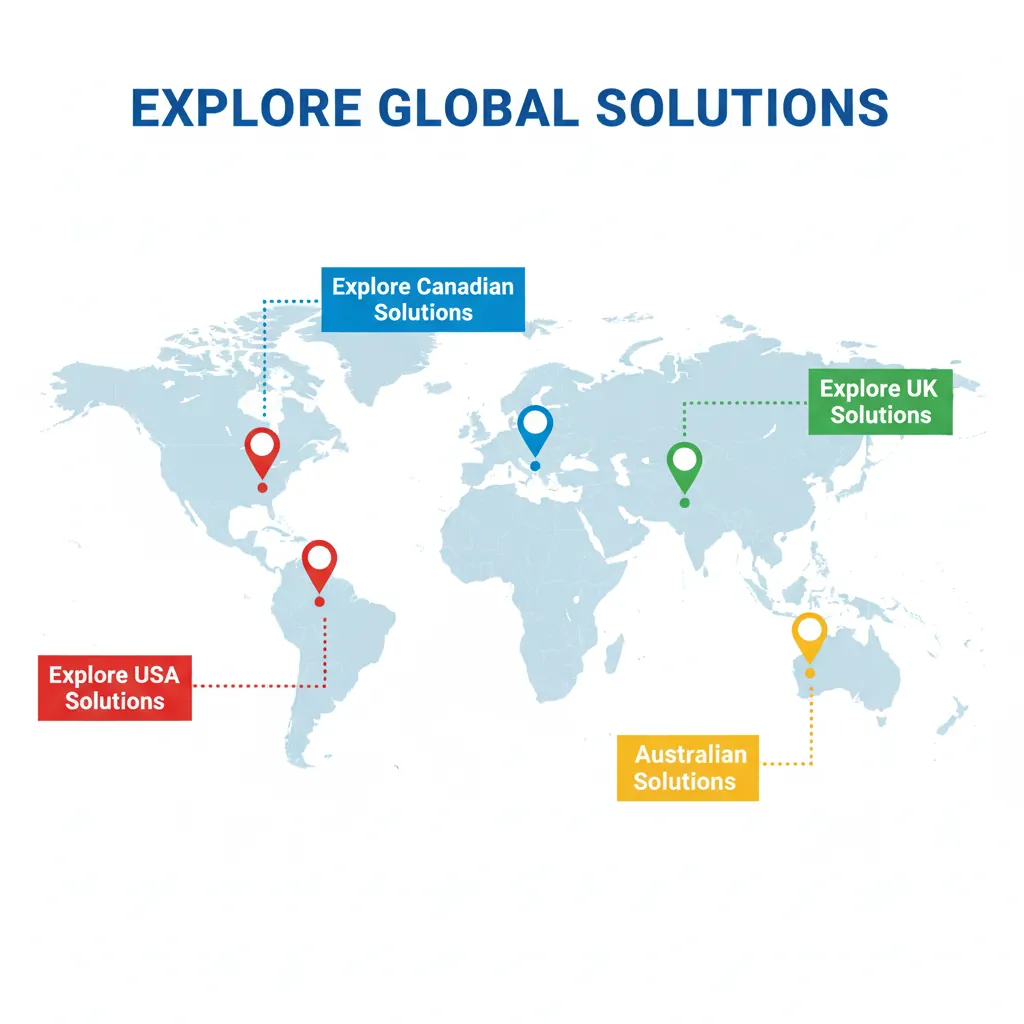
The Federal Layer at the Border
State rules govern the shelf. Federal power governs the dock. Every consignment entering Australia passes through screening by the Australian Border Force, and the federal layer can stop goods before any state question even arises. Importers should understand both halves of that layer: the written rules and the screening practice.
The written rules include the Customs (Prohibited Imports) Regulations 1956, made under the Customs Act. They define classes of goods subject to import controls, and the treatment of any consignment depends on how accurately the goods are described and classified. A licensed customs broker or lawyer can confirm whether a specific product attracts conditions, restrictions, or additional documentation. Get that answer in writing before the first order ships.
Why Descriptions Matter More Than Codes
Here is the failure case Elfglass sees most often in export paperwork. An invoice says “glassware” or “gift items” because it felt simpler at the time. Border screening flags the mismatch against the physical goods, the consignment is pulled for examination, and a two-week delay lands on the retailer’s busiest month. Accurate, consistent product descriptions across the invoice, packing list, and carton labels are the cheapest insurance available.
First-time importers should engage a licensed Australian customs broker before ordering, not after goods arrive. The broker files the import declaration, advises on tariff classification, and calculates the duty and taxes that apply to each consignment. Those landed costs belong in the retail price calculation from day one. A supplier that provides clean documentation makes the broker’s job faster and the clearance cheaper.
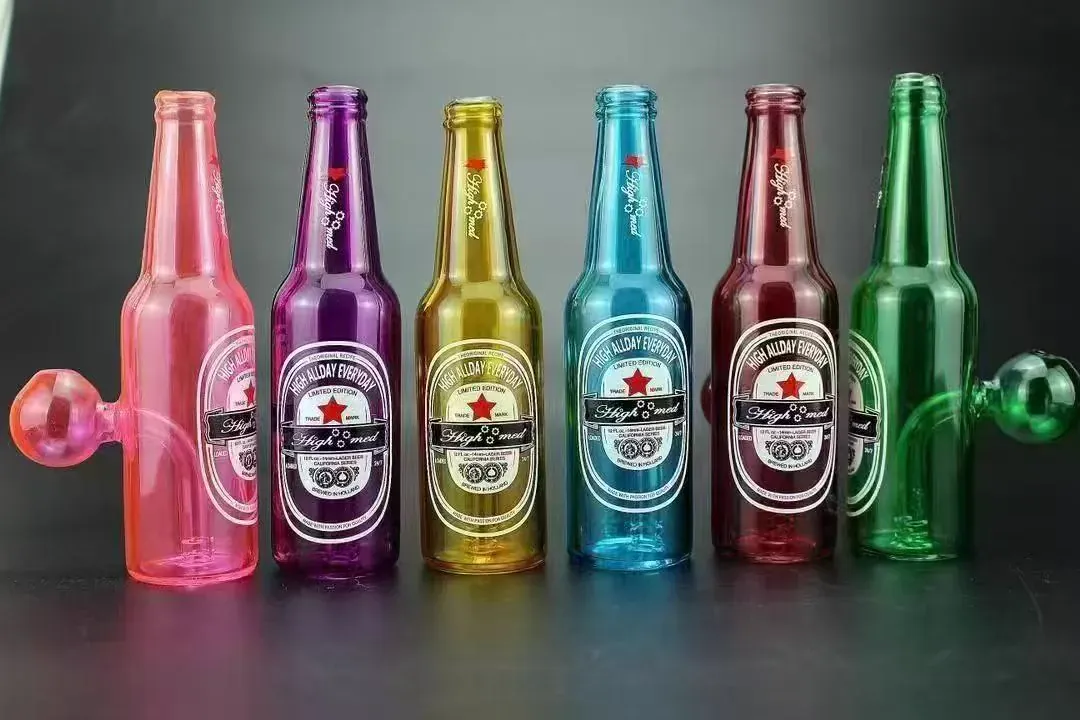
Wholesale Supply Built for Smoke-Shop Sell-Through
Elfglass helps you forecast demand, build a high-turnover catalog, and reorder on a rhythm that keeps best-sellers in stock without dead inventory. Share your shop profile and we will map a sourcing plan.
MOQ from 100 pieces | BSCI / WRAP / ISO 9001 | NDA before every project
Documentation That Keeps Goods Moving
Documentation is where compliance turns physical. The border sees paper, not intentions. Three document families carry an Australian shipment: the commercial paperwork, the transport record, and the labels on the product itself. Each one deserves attention.
The Core Export Paperwork
Every shipment needs a commercial invoice with accurate product descriptions and HS tariff codes (the international product classification numbers), a packing list, and a bill of lading or air waybill. The manufacturer supplies the descriptions and codes; the buyer’s broker confirms the classification for Australia. Wording should match across all documents, because mismatched paperwork is itself a trigger for examination. The full sequence, document by document, is laid out in the Australian import compliance checklist.
Labels That Respect Consumer Law
Once goods clear, the Australian Consumer Law governs how they are sold. It sits in Schedule 2 of the Competition and Consumer Act 2010 and covers product safety, labelling, and misleading claims. For smoking accessories the duties are simple to state and strict to meet. Material claims must be true, country-of-origin statements must be accurate, and nothing in the presentation may mislead. “Borosilicate glass” on a box must mean borosilicate glass, and marketing must stay strictly adult-facing, with no imagery that could appeal to minors.
Multi-market operators should expect each country to test a different muscle. America adds PACT Act reporting and state tax layers, documented in the PACT Act customs guide for the US. Britain keeps its own import and trading rules, summarised in the UK retailer import guide. Australia’s combination of state patchwork plus border screening is distinct and deserves its own verification pass.
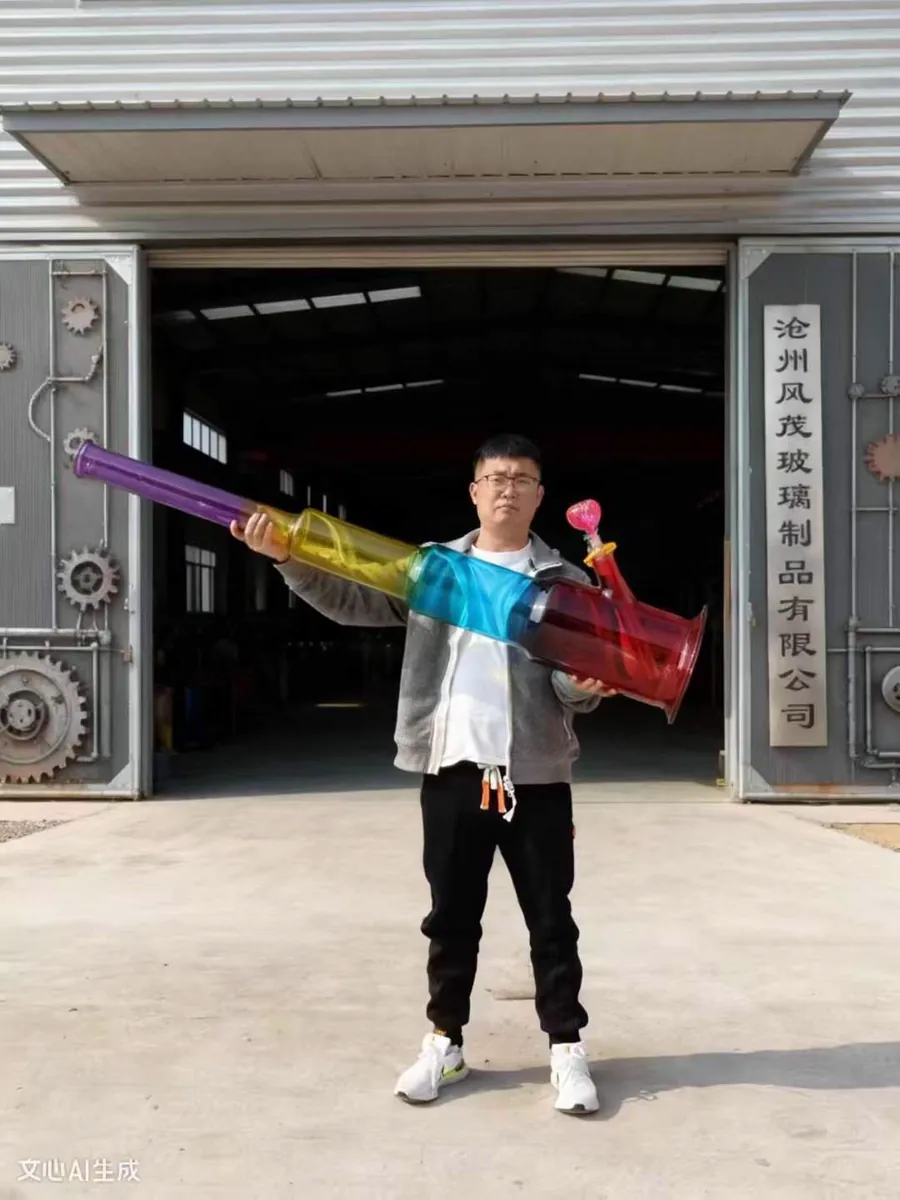
What Prepared Sourcing Looks Like
Compliance-aware sourcing starts at the factory gate, not at the border. A manufacturer’s systems decide whether documentation arrives complete, consistent, and on time. That is the standard Elfglass applies to its Australian shipments, and the details below show what prepared looks like in practice.
Verify the Factory Before the Price
Ask for current audit certifications, not promises. Elfglass holds BSCI, WRAP, and ISO 9001 certification and operates a 1,000 sqm factory in Shenzhen with 20 employees. OEM and ODM projects run under an NDA signed before work starts, with quotes returned within 12 hours. Those credentials matter in Australia, where retailers answer to consumers who ask how products are made. The Elfglass Australian solutions page maps how the factory supports local buyers end to end.
Small Batches as a Risk Tool
Uncertainty has a counterweight: small orders. Elfglass sets the MOQ at 100 pieces per design, ships samples in 1-3 days, and completes production in 7-12 days for orders of 100 or more. Payment terms are T/T with a 30% deposit and the 70% balance before shipment. For an Australian buyer, that structure converts a regulatory question mark into a cheap experiment. Place 100 units where legal advice is clear, learn from sell-through, and scale only what works.
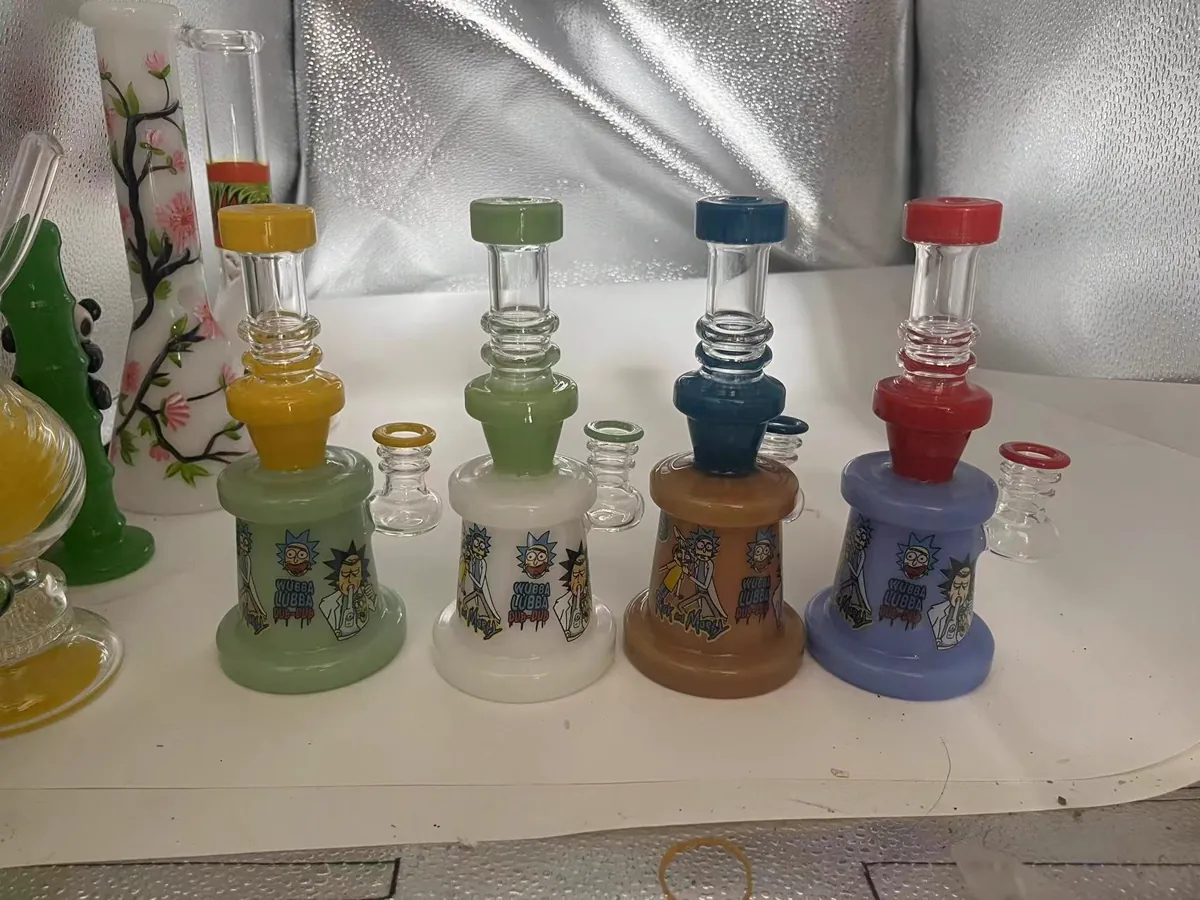
Source for Australia With a Compliance-Ready Factory
Elfglass manufactures borosilicate smoking accessories under BSCI, WRAP, and ISO 9001 systems, with export documentation prepared for Australian clearance. MOQs start at 100 pieces per design, sampling runs 1-3 days, and production runs 7-12 days.
Assortment Choices Under the Rules
Rules do not just constrain an assortment. They focus it. The strongest Australian ranges are short, adult-facing, and built on function: borosilicate water pipes, hand pipes, and accessories sold explicitly for tobacco use. Depth of quality beats width of catalogue in every channel this market offers.
Marketing discipline is the quiet differentiator. Product copy, packaging, and social content should describe the piece, its glass, and its workmanship — nothing that hints at prohibited uses or audiences under 18. One careless post can undo a year of careful compliance, because regulators and landlords both read marketing. Elfglass reviews packaging artwork with buyers for exactly this reason.
A first order should mirror that focus. Choose three to five SKUs and buy 100 pieces per design, as covered in the guide to 100-piece trial orders. Sell, count, and reorder the winners. Then calendar the replenishment: lead times stretch in the fourth quarter, and the Q4 peak-season logistics breakdown shows why early bookings win.
The payoff compounds. A retailer with verified listings, clean paperwork, and a reliable factory behind the shelf stops competing on price with generic imports. In a market this thinly served professionally, that is the whole game.
Frequently Asked Questions for Importers
Can smoking accessories be sold legally in Australia?
It depends on the state or territory. Queensland, South Australia, and Western Australia each have a named Act restricting certain items, and other jurisdictions take different approaches. Confirm your position with a qualified Australian lawyer before listing anything.
Do smoking accessories need certification to enter Australia?
No category-specific certification scheme applies. Australian Consumer Law product-safety duties still apply to every unit sold, and factory credentials such as BSCI, WRAP, and ISO 9001 carry real weight with Australian retailers.
What documents does the Australian Border Force need to clear a shipment?
A complete import declaration backed by an accurate commercial invoice, packing list, and transport document. Your licensed customs broker files most of this; vague product descriptions cause inspections and delays.
What MOQ makes sense for an Australian trial order?
100 pieces per design. That is Elfglass’s MOQ, and it lets a retailer test three to five SKUs across one or two states without over-committing cash to unproven demand.
How fast can a new SKU reach Australian shelves?
Sampling runs 1-3 days and production runs 7-12 days on orders of 100+ at Elfglass, before ocean or air transit. Plan the full landed timeline with your freight forwarder.
Key Decisions Before You Import
The Australian head shop market rewards preparation, not boldness. State rules decide what can be listed, the federal border decides how fast goods arrive, and the supplier decides whether the paperwork holds together. Get those three layers right and the market’s thin professional coverage becomes the advantage. If you want a factory that has already shipped into Australia, contact the Elfglass team with your target states and assortment.
- Verify each target state’s current rules with an Australian lawyer before choosing an assortment, starting with the three named Acts in Queensland, South Australia, and Western Australia.
- Engage a licensed customs broker before the first shipment, not after a delay.
- Insist on accurate, consistent product descriptions across invoices, labels, and cartons.
- Test demand with 100-piece runs per design; sampling in 1-3 days and production in 7-12 days keeps trials cheap.
Elfglass built its Australian program around exactly this buyer: compliance-aware, quality-first, and unwilling to bet the shop on a single container. Start with a sample, and let the documentation speak.
Get a Quote for Your Next Order
Need documentation you can verify? with Australian import paperwork handled at the factory? Explore our wholesale water pipe ranges — or send your product spec and target quantity to our factory team or message us on WhatsApp, and we will reply with pricing and lead times within 24 hours.
About the Author
Ava Zeng is the founder of Elfglass, a Shenzhen-based borosilicate glass pipe manufacturer serving B2B brands worldwide. Every guide on this site is grounded in her production-floor experience— the annealing lines, QC checkpoints, and export orders behind each claim.
Before you commit to a supplier, read her founder’s story and trust promise. Then see the guide to vetting a reliable glass pipe manufacturer — the same red-flag checklist Elfglass applies to its own suppliers.
Ready to Source Custom Glass Pipes?
Get a free quote within 24 hours. MOQ from 100 pieces. NDA-protected design consultation.
