

Beyond Color: How Surface Finish Affects Brand Perception and Wholesale Pricing
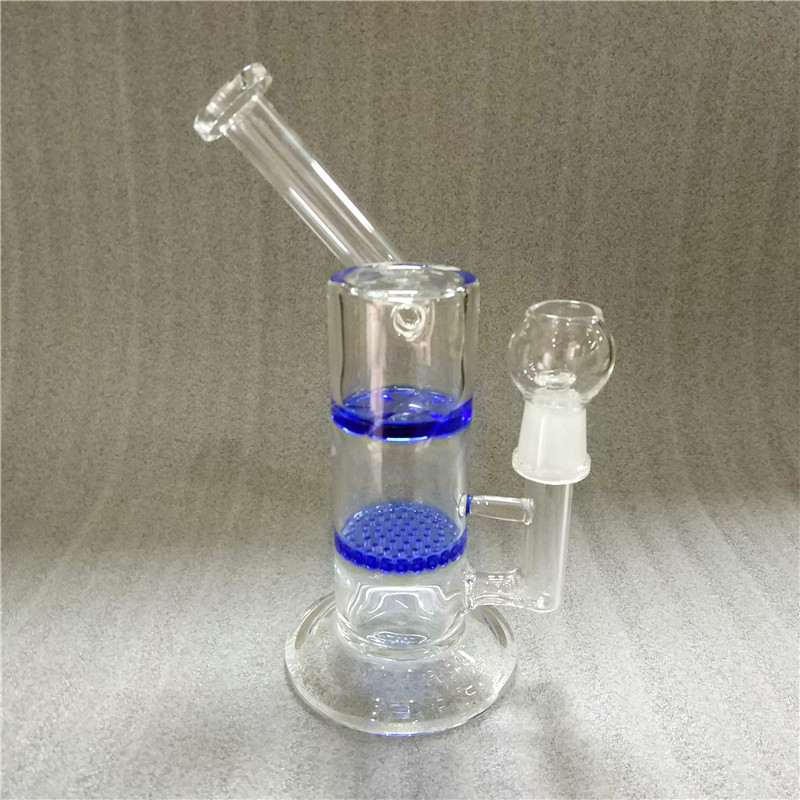
When B2B buyers think about customizing glass pipes, the first instinct is usually shape and color. But the surface finish—the texture, sheen, and tactile quality of the glass exterior—is an equally powerful branding lever, and one that most retail brands underuse. A matte frosted finish communicates a different brand personality than a high-gloss polish. A coated piece feels different in the hand than raw glass. These differences translate to shelf presence, perceived value, and ultimately wholesale pricing.
This guide covers the four main finish options available for OEM glass pipe orders, how each is produced, what they cost relative to standard clear glass, and how to specify finishes in your design brief so the factory delivers exactly what your brand needs.
The Four Standard Finish Options
1. Gloss (Standard Polish)
The default finish for most glass pipes. After forming and annealing, the piece is fire-polished—the surface is heated until it becomes smooth and reflective. This is the lowest-cost finish because it requires no additional processing beyond the standard production flow. Clear gloss finish shows the glass color and any internal work (fuming, encasement) to maximum effect.
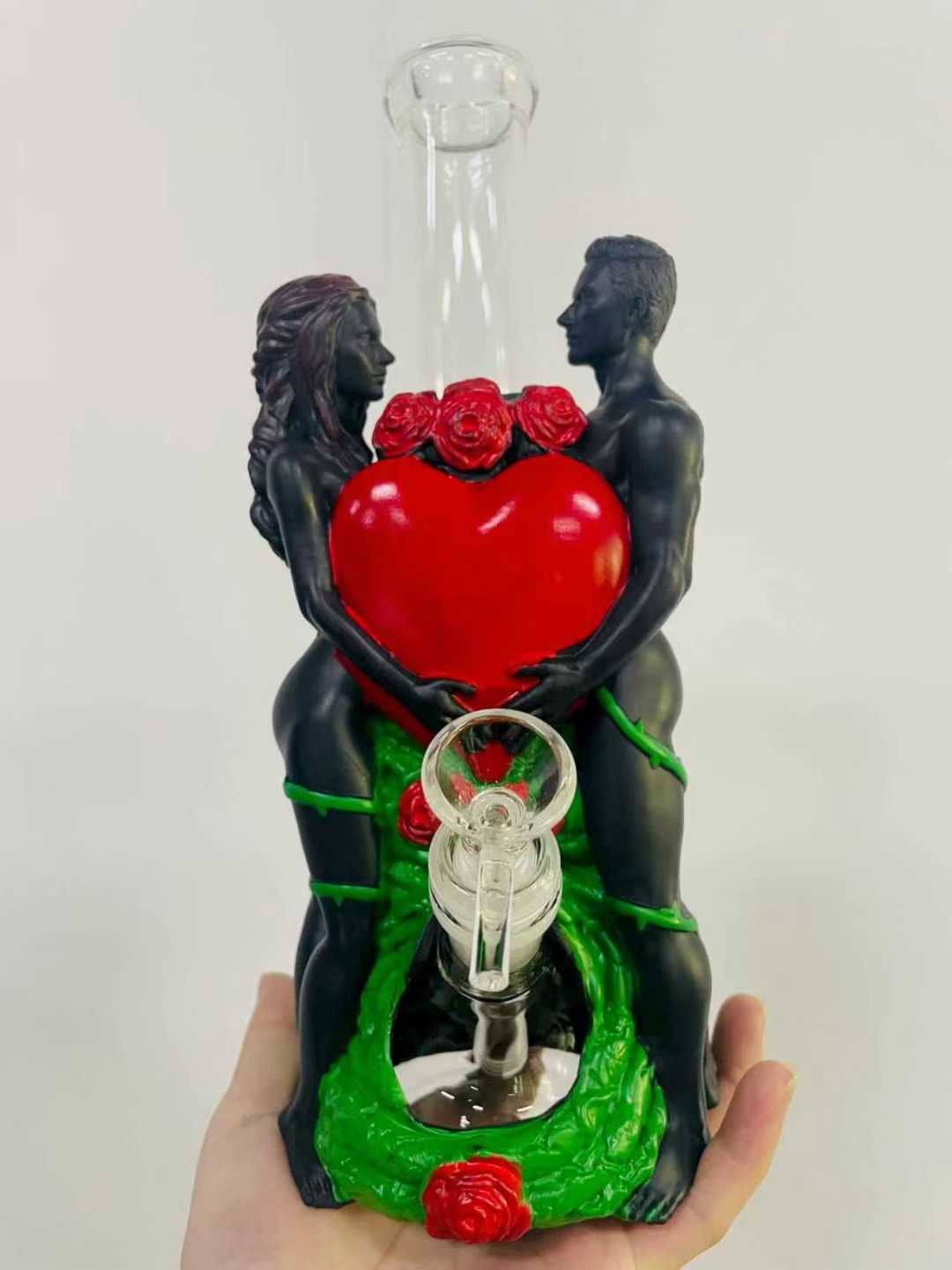
Best for: Brands that want to showcase the glass material itself. Art glass, color-work pieces, and designs where internal detail matters.
Cost impact: No additional cost over standard production.
2. Matte (Acid-Etched or Sand-Blasted)
A matte finish removes the natural gloss by creating a micro-textured surface. Two methods achieve this:
- Acid etching: The glass is exposed to hydrofluoric acid (or a safer acid mixture) that dissolves the surface layer, creating a uniform matte texture. This produces a smooth, silky feel.
- Sandblasting: Fine abrasive particles are blasted at the surface under pressure, creating a slightly rougher matte texture with more tooth.
Matte finishes are popular for brand-centric designs because they provide an excellent surface for logo application (see our glass logo methods guide). The textured surface holds screen-print ink and pad-print transfers better than glossy glass.
Best for: Brands wanting a premium, understated look. Pieces where logo application is a priority. Dark-colored glass where a matte finish reduces fingerprint visibility.
Cost impact: 10–20 percent additional cost for the etching or blasting step.
3. Frosted (Partial or Gradient)
Frosting is a controlled version of matte finishing where only specific areas of the piece are treated. Common patterns include frosted bases with clear tops, frosted bands around the mouthpiece, or gradient transitions from clear to frosted. This creates visual contrast within a single piece without adding color.
Frosting is achieved through masking—applying a resistant material to the areas that should remain glossy, then etching or blasting the exposed areas. The masking step adds labor cost, especially for complex patterns.
Best for: Brands wanting visual differentiation without color. Products where grip texture is functional (frosted sections provide grip on smooth glass).
Cost impact: 15–30 percent additional cost depending on pattern complexity and masking labor.
4. Coated (PVD or Spray)
Coated finishes add a thin layer of material to the glass surface. Two methods are common:
- PVD (Physical Vapor Deposition): A vacuum-deposited metallic coating that produces iridescent, mirror-like, or colored effects. PVD coatings are durable and bond well to glass, but require specialized equipment.
- Spray coating: A lacquer or paint spray applied to the exterior. Less durable than PVD but lower cost and more flexible in color options.
Coated finishes are the most expensive option and are typically reserved for premium product lines or limited editions. PVD-coated pieces can command 2–3x the wholesale price of equivalent clear glass.
Best for: Premium and limited-edition lines. Brands wanting metallic or iridescent effects that cannot be achieved through glass color alone. Wholesale hand pipes with coated finishes ship from the same OEM line.
Cost impact: PVD: 50–100 percent additional cost. Spray coating: 20–40 percent additional cost.
Comparing Finishes for OEM Decision-Making
| Finish | Process | Cost Adder | Durability | Logo Compatibility |
|---|---|---|---|---|
| Gloss (fire-polished) | Standard production | None | Permanent | Screen print, pad print, decal |
| Matte (acid-etched) | Post-forming acid bath | 10–20% | Permanent | Excellent for print and pad |
| Matte (sandblasted) | Post-forming abrasive blast | 10–20% | Permanent | Good for print, texture visible |
| Frosted (partial) | Mask + etch or blast | 15–30% | Permanent | Excellent on frosted areas |
| Coated (PVD) | Vacuum deposition | 50–100% | High but can wear over years | Limited—coating covers print |
| Coated (spray) | Spray application | 20–40% | Moderate—may chip | Print over coat or under coat |
Specifying Finishes in Your Design Brief
When you write your OEM design brief, include finish specifications alongside shape and color. A complete finish spec includes:
- Finish type: Gloss, matte (specify acid or sandblast), frosted, or coated.
- Coverage area: Full piece, specific zones (describe with dimensions or reference a drawing).
- Texture reference: If you have a physical sample or reference image, include it. “Matte” can range from silky-smooth to aggressively textured—visual references prevent surprises.
- Pantone or RAL reference for coated finishes: Spray coatings can be color-matched. Provide a Pantone code for the target color.
At Elfglass, we produce sample pieces with the specified finish before committing to production runs. This lets you evaluate the tactile and visual quality before approving 100+ units. Our rapid sample turnaround means you can have finish samples in hand within 1–3 days.
Planning a Custom Finish for Your OEM Order?
Elfglass produces gloss, matte, frosted and PVD-coated finish samples in 1 to 3 days so you can approve the exact texture before a full production run. Send your design file and get a quote within 12 hours.
MOQ from 100 pieces | BSCI / WRAP / ISO 9001 | NDA before every project
How Finish Choice Affects Your Wholesale Pricing
Finish is one of the pricing factors that separates commodity glass from branded product. A clear gloss hand pipe might wholesale at $3–$5. The same pipe in matte finish adds $0.50–$1.00 to cost but can support a $2–$4 higher retail price because the perceived value is greater. The margin improvement from a finish upgrade often exceeds the cost increase.
For brands building a product hierarchy (good/better/best), finish is a natural differentiator: clear gloss for entry-level, matte for mid-tier, PVD-coated for premium. The underlying pipe design can be identical across tiers—only the finish changes, keeping tooling costs constant while creating clear price-point separation.
Contact Us for Custom Finish Samples
If you want to explore finish options for your next OEM order, our team can produce sample pieces in multiple finishes for side-by-side comparison. Contact us with your design file or reference image, and we will prepare finish samples within 1–3 days.
For the commercial side of sourcing, see our guide to wholesale glass margins and retail markups.
Finish by Product Tier: A Good / Better / Best Mapping
The most efficient use of finish is as a tiering lever: the same underlying pipe design, differentiated only by surface treatment, so tooling cost stays constant while the price ladder becomes obvious to the customer. This mapping turns the four finishes into a three-tier product hierarchy you can hand to a buyer.
| Tier | Finish | Typical Product | Price Behavior | Why It Sits Here |
|---|---|---|---|---|
| Good (entry) | Gloss, fire-polished | Clear hand pipes, color-work showing internal detail | No cost adder; commodity price point | Showcases the glass itself; cheapest to produce |
| Better (mid) | Matte (acid-etched or sandblasted) | Brand-centric pieces, logo-forward lines | 10–20% cost adder, supports a higher retail | Premium understated look; best surface for logo adhesion |
| Best (premium) | Frosted or PVD-coated | Limited editions, metallic/iridescent hero pieces | Frosted 15–30%; PVD 50–100% adder, 2–3x wholesale | Visual differentiation and tactile contrast no color alone achieves |
Because the pipe design is identical across all three tiers, you amortize one mold across a whole price ladder — the customer self-selects up the tiers on finish alone, and your margin improves faster than your cost does.
Finish Durability and Care: What to Tell Your Retail Customers
Each finish ages differently, and the care advice that keeps it looking new is not the same as for plain gloss glass. Giving retailers this guidance reduces “the finish wore off” complaints that are really cleaning mistakes — and it positions the piece as a maintained object rather than a disposable one.
- Gloss. Shows fingerprints and water spots but wipes clean instantly. The most forgiving finish for a high-traffic retail counter where pieces are handled all day.
- Matte (acid-etched). Silky and excellent for logos, but abrasive scrubbing can polish the etch back toward shiny. Advise gentle cleaning — no scouring pads on the textured surface.
- Matte (sandblasted). More tooth than acid-etch, which can trap residue in the texture. Rinse promptly and avoid letting concentrate dry into the blasted surface.
- Frosted (partial). The masked edge between frosted and clear is a boundary to protect; clean gently around it and avoid solvents that could lift the transition over time.
- PVD-coated. Durable and well-bonded, but the coating can wear over years. Keep it off harsh solvents and abrasives; hand-wash rather than soak in aggressive cleaners.
- Spray-coated. The least durable — it may chip at edges and contact points. Best on display-forward or limited-use pieces; set customer expectations that it is a cosmetic, not a permanent, layer.
Key Takeaways
- Four standard finish options: gloss (no extra cost), matte (10–20% more), frosted (15–30% more), and coated (20–100% more).
- Matte finishes provide superior logo adhesion for screen printing and pad printing.
- Finish upgrades often deliver more margin improvement than their cost increase suggests.
- Always specify finish type, coverage area, and texture reference in your design brief.
- Request finish samples before approving production—visual and tactile evaluation prevents costly surprises.
Every guide on this site is grounded in production-floor experience. Before you commit to a supplier, read the founder’s story and trust promise to understand how Elfglass approaches custom finishing.
Frequently Asked Questions
What finish options are available for custom glass pipes?
Four standard options: gloss (fire-polished, no extra cost), matte (acid-etched or sandblasted, 10-20% more), frosted (partial, 15-30% more), and coated (PVD or spray, 20-100% more).
Which finish is best for logo application?
Matte finishes provide the best surface for logo application because the micro-texture holds screen-print ink and pad-print transfers better than glossy glass.
How do custom finishes affect wholesale pricing?
Finish upgrades add 10-100% to production cost but can support proportionally higher retail prices. The margin improvement often exceeds the cost increase.
Can I see finish samples before committing to production?
Yes. Manufacturers should produce finish samples for approval before production runs. Sample turnaround is typically 1-3 days.
Ready to Start Your Custom Glass Pipe Project?
Get a free quote within 24 hours. MOQ from 100 pieces. NDA-protected design consultation.
About the Author
Ava Zeng is the founder of Elfglass, a Shenzhen-based borosilicate glass pipe manufacturer serving B2B brands worldwide. Every guide on this site is grounded in her production-floor experience— the annealing lines, QC checkpoints, and export orders behind each claim.
Before you commit to a supplier, read her founder’s story and trust promise, and the guide to vetting a reliable glass pipe manufacturer— the same red-flag checklist Elfglass applies to its own suppliers.
