

If you stock glass pipes, you already know the spoon pipe. It is the first shape most people picture when they hear “glass pipe,” and for good reason. The spoon pipe is the simplest, most universally recognized hand pipe design in the industry. For retailers, it is also one of the highest-velocity SKUs on the shelf, the product that moves consistently, appeals to every customer segment, and keeps your reorder cycle turning. Hand pipes like these are shaped at the torch using lampworking, a glass-forming technique in which solid glass rods are melted and shaped over a flame (lampworking reference).
But “simple” does not mean “easy to source well.” Behind every wholesale spoon pipe that lands on a retail counter are decisions about glass thickness, bowl geometry, percolator type, color method, and annealing protocol. Get those decisions right, and you have a reliable margin driver. Get them wrong, and you have a return pile. This guide breaks down everything a B2B buyer needs to know about sourcing wholesale hand pipes in the spoon category, from the variations that matter to the quality indicators that separate a production partner from a parts vendor.
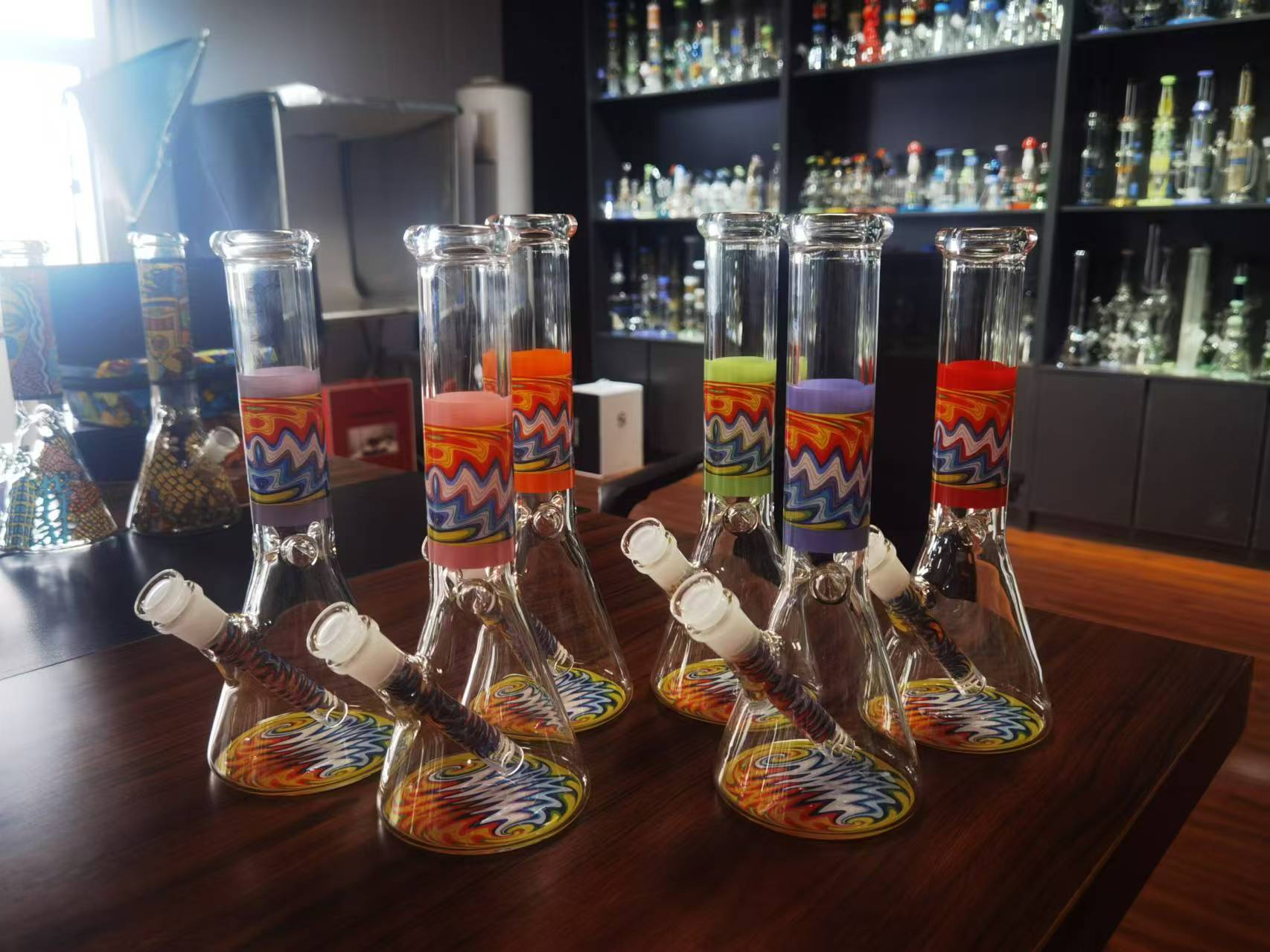
What Is a Spoon Pipe?
A spoon pipe is a hand pipe whose silhouette resembles a kitchen spoon. It has a rounded bowl on one end for loading material, a carb (airflow) hole on the opposite side, and a shaft connecting the two that serves as the smoke channel. The name is purely descriptive: the bowl sits like the bowl of a spoon, and the stem extends outward like the handle.
The anatomy breaks down into three functional parts. The bowl is where material is packed. Its depth and diameter determine how much can be loaded in a single session. The shaft is the airway, the tunnel through which smoke travels from bowl to mouthpiece. Shaft length affects smoke temperature, with longer shafts producing slightly cooler hits. The carb hole is the user-controlled airflow valve. Cover it during ignition to build smoke in the chamber, release it to clear the pipe in one smooth pull.
What makes this design so enduring is its efficiency. There is no water filtration, no complex percolator system, no extra parts. The open airflow means minimal drag. The carb gives the user full control over each hit. The straightforward geometry makes it easy to clean and maintain. For retailers, that simplicity translates into a product that works for first-time users and experienced smokers alike, moves quickly off the shelf, and generates almost no complaints or returns.
If you are building out your full hand pipe inventory, understanding where spoon pipes fit alongside other shapes is covered in detail in the guide to different types of glass pipes.
Related reading: spoon pipe draw characteristics.
Why Spoon Pipes Are the High-Volume Staple
Walk into any successful smoke shop, head shop, or glass retailer, and spoon pipes will occupy prime shelf real estate. This is not tradition for its own sake. Spoon pipes consistently rank as the best-selling hand pipe style across most retail outlets, and the reasons are practical and commercial. See the best-selling glass hand pipes breakdown for current market data.
First, they are universally approachable. There is no learning curve. A first-time customer picks it up, covers the carb, lights the bowl, and understands the mechanics immediately. That universal accessibility means your total addressable customer for a spoon pipe is essentially everyone who walks through your door.
Second, they are ideal impulse purchases. At typical retail price points between fifteen and forty dollars depending on quality and features, spoon pipes sit in the sweet spot for counter and checkout-adjacent displays. Customers do not deliberate over a spoon pipe purchase the way they might over a complex dab rig or a large water pipe. They see one they like, and they buy it.
Third, they offer enormous variety within a single SKU category. Different glass thicknesses, color methods, perc options, and size ranges mean you can stock dozens of distinct spoon pipes without the shelf feeling repetitive. Each piece looks different, feels different, and appeals to a slightly different customer preference. glass thickness specifications.
Fourth, they are durable when made from quality borosilicate glass. A well-made spoon pipe with proper wall thickness survives daily use, occasional drops on carpet or rubber mats, and the thermal cycling of regular sessions. Fewer breakage complaints means fewer returns and higher customer satisfaction.
Fifth, they are a repeat-purchase category. Customers collect pipes. They break them, they lose them, they want a new color. A well-stocked spoon pipe selection ensures that when a customer comes back, there is something new to buy.
For retailers building a hand pipe program, spoon pipes should form the foundation. Other shapes, from steamrollers to chillums, layer on top of that base. If you are evaluating your initial order quantities, the guide to MOQ 100 trial orders explains how to structure your first purchase.
Variations in Wholesale Spoon Pipes
Not all spoon pipes are created equal. The category has meaningful variation across several dimensions, and each variation affects both the end-user experience and the wholesale price point. Understanding these variations is what separates a thoughtful buyer from one who just orders the cheapest option and hopes for the best.
Size
Wholesale spoon pipes typically range from about 3 inches to 7 inches in overall length. The most popular retail sizes cluster in the 4 to 5 inch range, which balances portability with a satisfying smoking experience. Compact 3-inch spoons appeal to customers who prioritize discretion and pocket carry. Larger 6 and 7-inch pieces function more as home pieces, offering a longer shaft for cooler smoke and a larger bowl for extended sessions. Stocking two or three size tiers lets you serve different use cases and gives your display more visual range.
Percolator Type
Traditional spoon pipes are direct-draw, meaning no filtration between bowl and mouthpiece. Many modern spoon pipes incorporate a percolator into the shaft to add smoke filtration and diffusion. The most common perc types found in wholesale spoon pipes include diffused downstem (basic slit-style filtration, affordable), honeycomb (a disc with multiple slots for increased surface area, moderate price), tree (vertical hanging fingers for maximum diffusion, higher cost), and showerhead (a wrap-around disc that provides good filtration without a harsh draw, moderate cost). Each step up in perc complexity adds to the production time and wholesale price, but also increases the retail value proposition. For a detailed comparison of how these perform against each other, see the percolator types compared guide.
Color and Finish
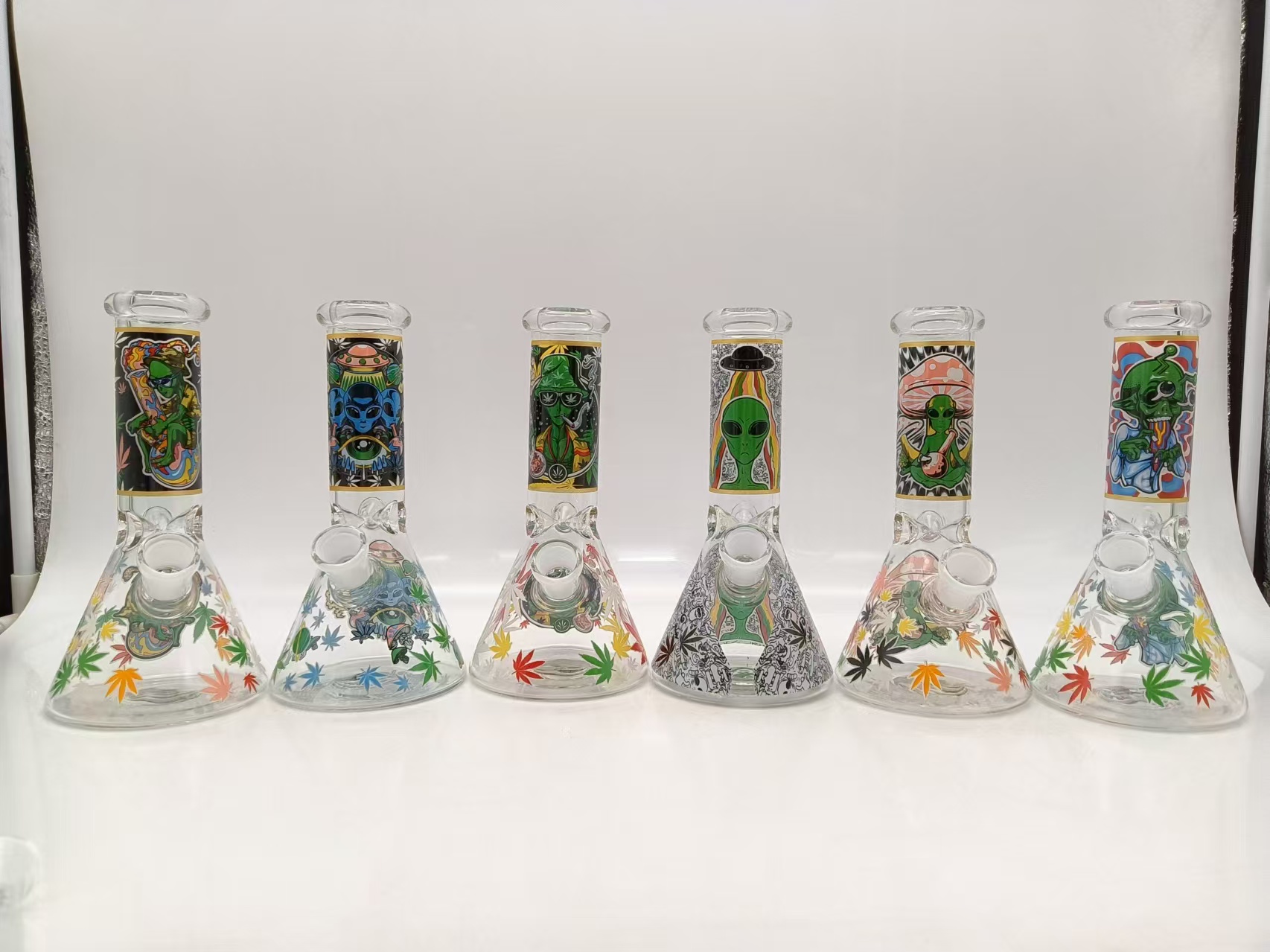
Color is where spoon pipe suppliers differentiate most dramatically. Basic clear glass is the entry point. From there, the options expand considerably. Fumed glass uses metallic fuming (typically silver or gold) to create reactive color shifts that change with light angle and use over time. Hand-painted details add artistic elements using heat-resistant enamel. Color-changing (CC) glass darkens with use, developing a unique patina that many customers find appealing. Twist patterns use layered colored glass rods to create spirals and stripes throughout the pipe body. For retailers, offering a spectrum of color options is critical. Customers often choose their first pipe based on visual appeal alone, and a supplier with strong color variety gives you a merchandising advantage.
Glass Thickness
Glass thickness is the single most impactful factor in both durability and perceived quality. The standard thicknesses for wholesale spoon pipes are 3mm, 5mm, and 7mm. At 3mm, you get an affordable pipe that works for budget-oriented retail but feels thin in the hand and is more prone to breaking. At 5mm, you hit the sweet spot for most retailers: the pipe feels substantial, survives normal handling, and does not carry a prohibitive wholesale cost. At 7mm, you enter premium territory. The pipe feels nearly indestructible, commands a higher retail price, and appeals to customers who want maximum durability. The trade-off is added weight and higher material cost.
Stock the Glass Pipes Your Customers Actually Buy
Elfglass produces the full wholesale catalog, from hand pipes and sherlocks to dab rigs, percolator bongs, and accessories, in proven best-selling specs. Tell us your market and we will recommend a catalog mix with pricing.
MOQ from 100 pieces | BSCI / WRAP / ISO 9001 | NDA before every project
Quality Indicators for Wholesale Spoon Pipes
When you are ordering hundred-unit quantities from a manufacturer, quality consistency matters more than it does for one-off purchases. A single defective pipe is an inconvenience. A batch with systematic quality problems is a business relationship crisis. Here are the specific indicators to evaluate.
Glass type. Borosilicate 3.3 glass should be the standard. It resists thermal stress, withstands repeated heating and cooling cycles, and lasts significantly longer than soda-lime or lower-grade alternatives. If a supplier cannot confirm the glass type they use, that is a red flag worth investigating before you place an order.
Annealing quality. Annealing is the process of slowly cooling glass in a controlled environment to relieve internal stresses. Poorly annealed glass develops micro-fractures that lead to cracking, sometimes days or weeks after delivery. Proper annealing requires computer-controlled kilns and disciplined timing. It is not a step that can be rushed without consequences. Ask any prospective manufacturer about their annealing process. A manufacturer who can walk you through their annealing cycle is a manufacturer who takes quality seriously.
Workmanship and finish. Inspect the bowl edges for smoothness and evenness. Check the carb hole for clean drilling without rough spots. Look at the glass-to-glass connections where the bowl meets the shaft; they should be seamless with no visible joints, air bubbles, or uneven wall thickness. Run your finger along the mouthpiece. It should be smooth and rounded, not sharp or jagged. These details separate a quality production run from a rushed one.
Design integrity. Beyond the physical build, consider how well the pipe functions as a smoking instrument. Bowl depth should match the intended session length. Carb placement should allow comfortable thumb coverage without awkward hand positioning. The overall balance should feel natural in the hand. Well-designed spoon pipes are engineered with the end user in mind, not just copied from a basic template.
Pricing Factors in Wholesale Spoon Pipes
Wholesale spoon pipe pricing is not arbitrary. It follows a structure driven by material, labor, and order economics. Understanding what drives the price helps you evaluate quotes, compare manufacturers, and make decisions that balance quality with margin.
| Factor | Impact on Price | Notes |
|---|---|---|
| Glass thickness | Direct | 3mm base, 5mm mid-range, 7mm premium. Thicker glass requires more raw material and longer working time. |
| Size | Direct | Larger pipes use more glass and require more skill to shape proportionally without weakening the structure. |
| Color method | Significant | Clear glass is the baseline. Fumed, CC, and hand-painted finishes add labor and material cost, sometimes doubling or tripling the base price. |
| Percolator | Moderate to significant | Adding any perc increases production time. Honeycomb and tree percs cost more than diffused downstems due to complexity. |
| Order volume | Inverse | Most manufacturers offer tiered pricing. Higher quantities reduce per-unit cost through material and labor efficiency. |
| Packaging | Low to moderate | Custom boxes, branded inserts, and hang tags add per-unit cost but increase retail presentation value. |
Spoon pipes vary widely in size, from compact 3-inch pocket pieces to 7-inch display models. Our hand pipe size guide covers which dimensions move fastest in retail.
The key insight for B2B buyers is that the biggest price divergence comes from color and finish, not from the base pipe structure. A clear 5mm spoon pipe and a fumed 5mm spoon pipe from the same manufacturer may differ in wholesale cost by a factor of two or more, even though the underlying glass quality is identical. If you are building a product line, consider stocking your core range in clear or simple colors and adding premium finish options as upsell SKUs.
Always request itemized quotes that break out these factors separately. A single bundled price makes it difficult to compare apples to apples across manufacturers.
How to Source Wholesale Spoon Pipes from a Manufacturer
Sourcing wholesale spoon pipes from a manufacturer, rather than a trading company or middleman, gives you better pricing, direct communication about specifications, and control over custom design elements. Here is how to approach the process.
Verify the Manufacturer
Start by confirming that the company is a genuine manufacturer with actual production capabilities, not a reseller operating under a factory name. Look for verifiable business licenses, a physical factory address, and evidence of export experience. Certifications like BSCI, WRAP, and ISO 9001 indicate that the manufacturer has undergone third-party audits of their production processes, labor practices, and quality management systems. Elfglass, for example, holds all three certifications and operates a 1,000 square meter production facility in Shenzhen with a team of 20 skilled workers.
Evaluate Design Capabilities
A manufacturer who only produces a handful of spoon pipe designs may not have the versatility your product line needs. Look for suppliers who offer OEM and ODM services, meaning they can produce your existing designs to spec and develop new custom designs based on your concepts. Request a catalog or portfolio of their current spoon pipe range. The breadth of their existing collection tells you about their glassblowing capabilities, their color technique range, and their attention to design detail.
Request Samples
Never place a bulk order without testing samples first. Sampling lets you evaluate glass quality, annealing, finish work, perc function, and packaging quality before committing to a production run. Most manufacturers, including Elfglass, can complete samples within 1 to 3 days. Order samples from multiple candidates if you are comparing suppliers, and evaluate them side by side. The differences in quality become immediately apparent when you hold two pipes in your hands.
Start with a Trial Order
Once you are satisfied with samples, place a trial order at the manufacturer’s minimum order quantity. For Elfglass, that is 100 pieces per design. A trial order lets you test production consistency, delivery timelines, and communication quality at a manageable risk level. If the trial goes well, you have a basis for scaling up. If problems emerge, they are contained and correctable.
Clarify Terms Before You Order
Before placing any order, confirm payment terms, production timelines, and quality guarantee policies. Standard payment terms in the industry are T/T with 30 percent deposit and 70 percent balance before shipment. Production timelines for orders of 100 pieces and above typically run 7 to 12 days depending on design complexity. Make sure you have a clear understanding of what happens if quality issues arise after delivery, and get that understanding in writing. If you are ready to discuss your specific requirements, you can reach the Elfglass team here.
Final Word
Spoon pipes are the bread and butter of any glass pipe retail operation. They are the product that keeps the lights on, the one that every customer understands, and the one that turns over faster than anything else on your shelf. Sourcing them well means finding a manufacturer who treats the simplest design with the same care they apply to their most complex pieces. That is the difference between a supplier who fills orders and a production partner who helps you build a brand.
Frequently Asked Questions
What glass thickness is best for retail spoon pipes?
For most retail environments, 5mm offers the best balance of durability, perceived quality, and wholesale cost. Three-millimeter works for budget lines, while 7mm suits premium offerings where customers expect maximum strength.
Can I order custom colors or designs for my brand?
Yes. Most established glass pipe manufacturers offer OEM and ODM services, meaning they can produce your custom color schemes, incorporate your design ideas, or develop entirely new spoon pipe styles exclusive to your brand.
How long does it take to receive a wholesale spoon pipe order?
Sampling typically takes 1 to 3 days. Full production for orders of 100 pieces and above runs 7 to 12 days depending on design complexity and order volume. Shipping time is additional and varies by destination and method.
What is the minimum order quantity for wholesale spoon pipes?
Industry standard MOQs for glass pipe manufacturers typically start at 100 pieces per design. This allows retailers to test a new supplier or add new SKUs without committing to large volumes upfront.
How do I verify the quality of a wholesale spoon pipe supplier?
Request samples, check for third-party certifications such as BSCI, WRAP, or ISO 9001, verify their annealing process, and confirm they use borosilicate 3.3 glass. A transparent manufacturer will provide all of this information without hesitation.
About the Author
Ava Zeng is the founder of Elfglass, a Shenzhen-based borosilicate glass pipe manufacturer serving B2B brands worldwide. Every guide on this site is grounded in her production-floor experience— the annealing lines, QC checkpoints, and export orders behind each claim.
Before you commit to a supplier, read her founder’s story and trust promise, and the guide to vetting a reliable glass pipe manufacturer— the same red-flag checklist Elfglass applies to its own suppliers.
For shops starting their hand pipe section, wholesale chillums and one-hitters offer the lowest-risk entry point 鈥?counter-fill inventory with fast turns and minimal display space.
The spoon form is among the most widely produced shapes in spoon pipe manufacturing, valued for its simple geometry and high throughput.
Ready to Source Custom Glass Pipes?
Get a free quote within 24 hours. MOQ from 100 pieces. NDA-protected design consultation.
